What Is Heat Trace?
A condensate line in a chemical plant can freeze solid overnight when the ambient temperature drops below the design minimum. Before operators notice, the blockage stops flow, trips a pump, and costs production hours. Heat trace exists to prevent exactly this kind of failure. In simple terms, heat trace is an electric heating system installed along pipes, valves, tanks, and other equipment to replace the heat those surfaces lose to the environment. It keeps fluids above their freezing point or holds them at a required process temperature, whether the pipe carries water, fuel oil, chemicals, or steam condensate.
Heat trace is not limited to winter freeze protection. In many plants, it runs year-round to keep viscous fluids pumpable, prevent condensation, compensate for heat loss in long transfer lines, and maintain the temperature of storage tanks and instrument lines. Because the heat is generated locally along the pipe, a heat trace system adds heat precisely where it is needed, using far less energy than heating an entire room or building.
How Does a Heat Trace System Work?
The core of any heat trace system is a heating cable, also called heat trace cable or tracing cable. The cable contains a resistive element that generates heat when electric current passes through it. The cable is fastened along the outside of the pipe or vessel, usually underneath thermal insulation, so the heat it produces transfers directly to the pipe wall and then to the fluid inside. A complete system also includes a power supply, a control device such as a thermostat or controller, and accessories such as connection kits, end seals, and fixing tape.
The amount of heat delivered along the pipe is expressed in watts per meter. The required value depends on the heat loss of the pipe, which in turn depends on pipe diameter, insulation thickness, fluid temperature, minimum ambient temperature, and wind exposure. The purpose of the trace heater is to balance this heat loss and hold the fluid temperature at the set point.
Main Types of Heat Trace Cables
Three cable families dominate industrial heat trace applications, and the difference between them matters more than most buyers expect. Choosing the wrong type can lead to overheating, wasted energy, or insufficient heat output.
Self-Regulating Cables
A self-regulating cable uses a conductive polymer core between two bus wires. As temperature rises, the polymer resistance increases and the heat output decreases automatically. As temperature falls, the output rises. This built-in behaviour means the cable can be cut to length in the field and overlapped without burning out, which makes it the most forgiving option for installation. For practical guidance, see this self-limiting heat tracing cable installation guide.
Constant Wattage Cables
Constant wattage cables use a fixed-resistance heating element and deliver a consistent power output regardless of temperature. Because they do not self-regulate, they must be cut to matched lengths and controlled with thermostats or controllers to avoid overheating. They are a strong choice when you need predictable, uniform power, for example on long process lines with stable operating conditions. A product in this category is the constant wattage three-phase trace heater, designed for higher power demand on large-diameter pipes and long runs.
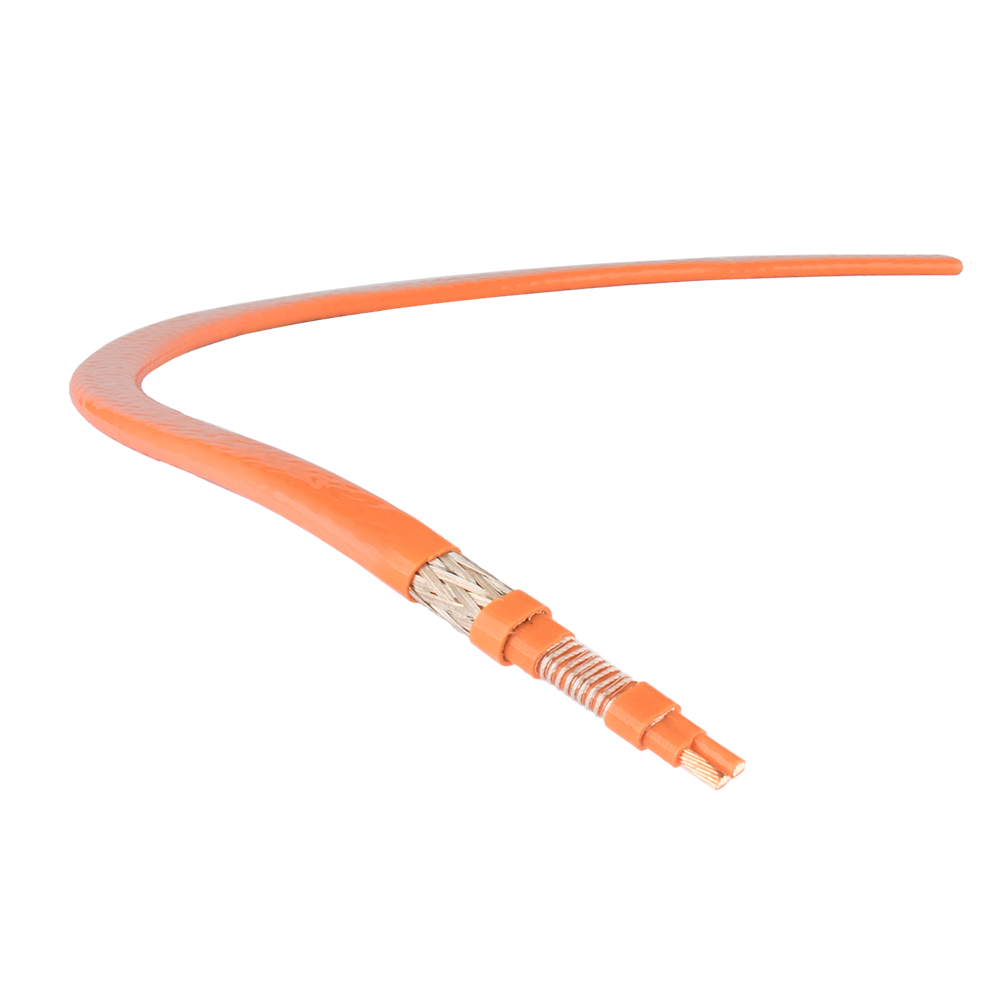 Constant Wattage Three-phase Trace Heater Suppliers, Company - Jiangsu Weineng EWeineng Electric is China wholesale Constant Wattage Three-phase Trace Heaters suppliers and Constant Wattage Three-phase Trace Heater co...View Product →
Series Resistance Cables
Series resistance cables, sometimes called constant power series cables, use a continuous resistive wire along the entire length. They are less common but practical for very long pipelines and applications requiring precise output. Their power output is constant per metre, so the circuit design must be exact.
The table below summarises the key differences.
Typical differences between the main heat trace cable types
| Cable type |
Output behaviour |
Typical applications |
Main selection consideration |
| Self-regulating |
Output decreases as temperature rises |
Freeze protection of water and condensate lines; tanks; instrument lines |
Cannot be used above its maximum exposure temperature |
| Constant wattage |
Output stays constant regardless of temperature |
Process temperature maintenance; long pipe runs; high heat-demand duty |
Needs careful length matching and reliable temperature control |
| Series resistance |
Constant output per metre along a continuous element |
Very long pipelines; special industrial circuits |
Requires exact electrical design for each run |
Where Is Heat Trace Applied?
Heat trace is applied to a handful of recurring industrial problems, and each application changes the way the system is sized and controlled.
Freeze Protection
The most common application is freeze protection of water lines, fire suppression systems, condensate lines, and process piping that can be damaged by ice formation. The cable keeps the pipe surface above 0 °C so that water inside does not freeze. For outdoor and high-temperature duty, a freeze protection high temperature trace heater can handle both cold ambient conditions and higher pipe surface temperatures.
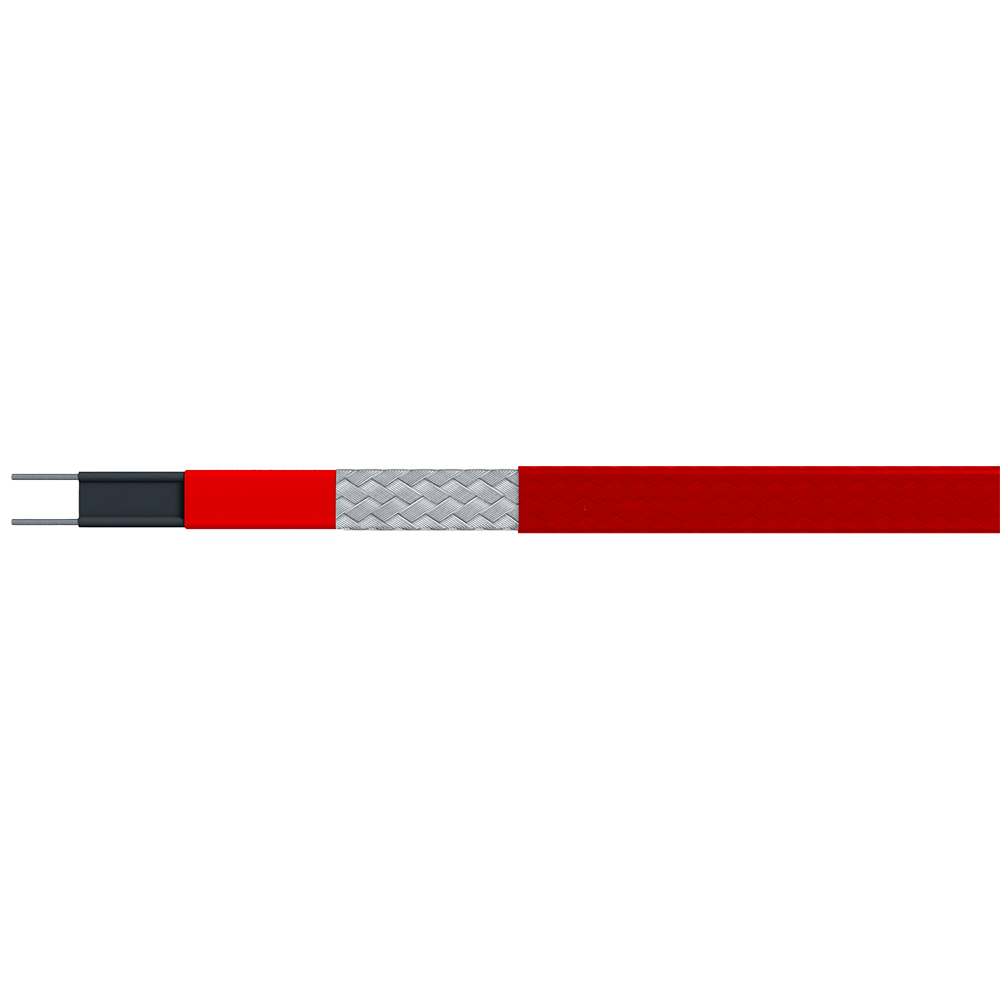 Freeze Protection High Temperature Trace Heater Suppliers, Company - Jiangsu WeiWeineng Electric is China wholesale Freeze Protection High Temperature Trace Heaters suppliers and Freeze Protection High Temperature Tra...View Product →
Temperature Maintenance
Many fluids become too viscous to pump when they cool. Heavy oil, lube oil, resin, and certain chemicals must be held at an elevated temperature. Heat trace compensates for heat loss along the line and keeps the fluid at its handling temperature, reducing pump energy and blockages.
Process Temperature Control
In some installations, the goal is not merely to prevent freezing or maintain viscosity, but to hold a precise temperature for a chemical reaction or a quality requirement. This demands a higher level of control, including sensors, controllers, and sometimes monitoring systems.
Other Uses
Heat trace is also used for roof and gutter de-icing, for anti-cavitation protection in certain hydraulic systems, and for maintaining the temperature of storage tanks, hoppers, and valves.
How to Select the Right Heat Trace System
Selection starts with heat loss, not with the cable catalogue. The heat loss of the pipe determines how many watts per metre the trace heater must deliver. This is calculated from the pipe diameter, insulation type and thickness, the difference between the maintenance temperature and the minimum ambient temperature, and exposure factors such as wind speed and whether the pipe is indoors or outdoors.
Once the required wattage per metre is known, the next step is choosing the cable family. Self-regulating cables are ideal for general freeze protection and variable conditions. Constant wattage cables work well for process temperature maintenance where the load is stable and predictable. The final step is selecting the control system. A simple thermostat is enough for many freeze protection jobs, but process applications generally need a temperature controller with a sensor and alarm output. For installations in hazardous areas, the control and power equipment must meet explosion-protection requirements, and certification of the entire circuit becomes part of the specification.
Do not forget the mechanical details. Trace heaters have a minimum bend radius, require approved connection kits and end seals, and must be laid out to cover fittings, flanges, and valve bodies where heat loss is higher. The construction techniques and inspection standards for electric heat tracing are worth reviewing before installation begins, because poor workmanship at terminations and splices is the most common cause of early system failure.
Safety, Control, and Hazardous Area Considerations
Heat trace operates in contact with pipes that may carry flammable fluids, so electrical safety is not optional. A proper installation includes a ground fault protection device, an overcurrent protective device, and a reliable temperature control. In explosion-hazard areas, the heating cable and the electrical connections must be certified for the zone in which they are installed, and the control cabinet must provide the required protection. A dedicated heat trace control cabinet for hazardous locations simplifies this part of the job because the enclosure, protection devices, and terminal arrangements are designed for the same duty.
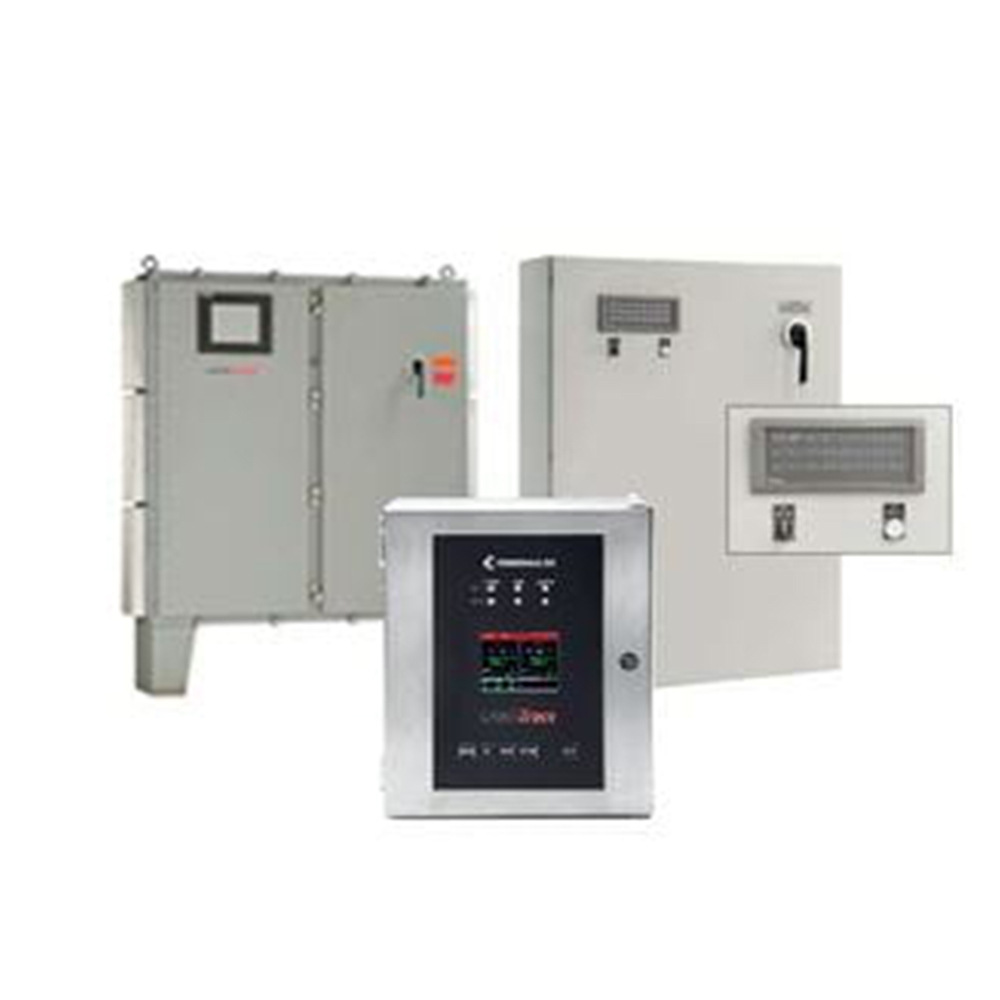 Heating Trace Control Cabinet for Hazardous Location Suppliers, Company - JiangsWeineng Electric is China wholesale Heating Trace Control Cabinet for Hazardous Location suppliers and Heating Trace Control Cabinet for ...View Product →
Manufacturers that hold recognised certifications provide an additional layer of confidence. When evaluating suppliers, check what certifications they hold and whether the specific cable and cabinet models intended for your project carry the needed approvals. Supplier qualifications are one of the details reviewed on the company honor and certifications page. Beyond approvals, plan for commissioning checks: insulation resistance tests, continuity tests, and verifying the current output of every circuit before the insulation is closed.
Final Thoughts
Heat trace is not a single product but a complete method of keeping pipes, tanks, and process equipment at the right temperature. The technology works well only when the cable family matches the application, the wattage matches the heat loss, and the control and protection equipment matches the environment. Start with the physics of the pipe, choose the cable type based on output behaviour and temperature limits, and finish with certified control and installation practices. That sequence is the difference between a trace system that runs for twenty years and one that fails in the first winter.

 English
 русский
 Français
 Español
 عربى
عربى
