What Is Self-Regulating Heat Tracing and How Does It Work
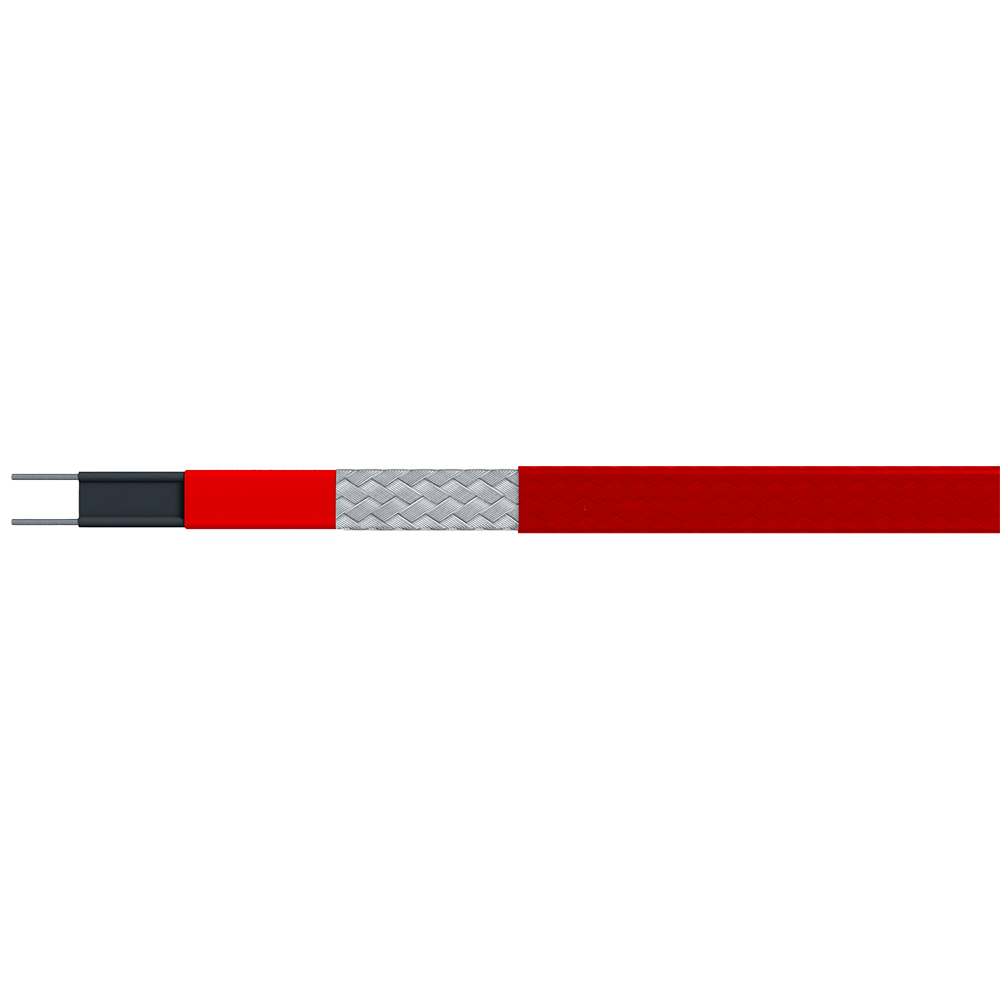
Self-regulating heat tracing is an electric heating technology that automatically adjusts its power output in direct response to the surrounding temperature — no external thermostat required. At its core, the cable contains two parallel copper bus wires embedded in a conductive carbon-polymer matrix. This matrix is the key to everything.
When the ambient temperature drops, the polymer core contracts at a molecular level. Contraction increases the density of conductive carbon pathways between the two bus wires, allowing more current to flow and generating more heat — exactly when it is needed most. As the temperature rises, the polymer expands, disrupting those pathways, reducing current flow, and lowering heat output. This process occurs simultaneously and independently at every point along the cable's length.
In practical terms, a self-regulating cable rated at 10 W/m might output only 3–4 W/m in a warm section of pipe while simultaneously delivering full rated power in a cold section just a few meters away. This localized response eliminates the hot spots and energy waste that are common with fixed-output systems. For industrial operations managing hundreds of meters of piping across varying ambient conditions, this capability translates directly into measurable energy savings and reduced fire risk.
You can explore our full range of heat trace products to see how self-regulating cables fit into a complete industrial heating solution.
Self-Regulating vs. Constant Wattage Heat Trace: Key Differences
Choosing between self-regulating and constant wattage heat trace is one of the first decisions in any heat tracing project. Each technology has a defined role, and selecting the wrong type leads to either wasted energy or inadequate freeze protection. The table below summarizes the critical differences.
Comparison of self-regulating and constant wattage heat trace cables
| Feature |
Self-Regulating |
Constant Wattage |
| Power Output |
Variable — adjusts with temperature |
Fixed — uniform along full length |
| Energy Efficiency |
High — consumes only what is needed |
Lower — runs at full power regardless |
| Overheat Risk |
Minimal — self-limits power |
Present if overlapped or improperly installed |
| Cut-to-Length |
Yes — any length on site |
Yes (parallel type) / No (series type) |
| Maximum Exposure Temp. |
Up to 250°C (high-temp grades) |
Up to 260°C (MI cable) |
| Best For |
Freeze protection, process maintenance, complex pipe geometry |
Long pipeline runs requiring uniform heat flux |
| Installation Complexity |
Low — can overlap safely |
Moderate to high — overlapping damages constant wattage types |
For most industrial freeze protection and process temperature maintenance applications below 250°C, self-regulating cable is the preferred choice. Constant wattage systems remain relevant for very long pipeline runs — often exceeding 1,000 meters — where a consistent heat flux is required regardless of ambient variation.
Industrial Applications of Self-Regulating Heat Trace Cable
Self-regulating heat tracing is deployed across a wide range of industries where pipe integrity and process temperature are non-negotiable. Below are the primary sectors and their specific use cases.
Oil & Gas
In upstream, midstream, and downstream oil and gas facilities, self-regulating cables protect wellhead lines, instrument tubing, and water injection systems from freezing in sub-zero environments. Offshore platforms face particularly demanding conditions — salt air, explosive atmospheres, and extreme temperature swings — requiring cables with fluoropolymer outer jackets and ATEX/IECEx certification. These cables are also used on valve bodies and flange assemblies, where uniform heat distribution prevents thermal stress on critical components.
Chemical & Petrochemical Processing
Chemical plants rely on self-regulating heat tracing to maintain viscous fluids — such as sulfuric acid, caustic soda, and molten sulfur — within precise temperature windows. Exposure to aggressive chemicals demands cables with corrosion-resistant jackets. In hazardous classified zones, the inherent power-limiting behavior of self-regulating cables reduces ignition risk compared to constant wattage alternatives, making them the preferred solution for Zone 1 and Zone 2 areas. When combined with our immersion heaters for tank heating and process heaters for inline fluid conditioning, self-regulating trace heating forms a complete thermal management system.
Food & Beverage
Hygienic production environments require heat tracing solutions that prevent microbial growth in water lines while withstanding frequent wash-down cycles. Self-regulating cables with smooth, cleanable outer jackets are installed on water supply lines, CIP (clean-in-place) circuits, and sugar or chocolate transfer pipelines, where maintaining a specific temperature is critical to product consistency.
Power Generation & Utilities
Power plants and water treatment facilities use self-regulating heat tracing to protect instrument air lines, condensate drain lines, and fire suppression systems. In districts with long winters, municipal water utilities wrap distribution mains with self-regulating cable to prevent freeze-related pipe bursts that would otherwise result in costly emergency repairs and service outages.
How to Select the Right Self-Regulating Heat Trace for Your Project
Selecting the correct self-regulating heat trace cable involves matching four key parameters to your application requirements. Getting any one of them wrong can result in under-heating, premature failure, or a safety non-compliance issue.
1. Temperature Classification
Self-regulating cables are manufactured in multiple temperature grades. Low-temperature cables (max exposure 65–85°C) suit domestic pipe freeze protection and most commercial HVAC applications. Medium-temperature cables (max exposure 100–120°C) cover the majority of industrial process maintenance needs. High-temperature cables (max exposure 200–250°C) are specified for steam-traced alternatives in petrochemical and power generation plants. Always base the selection on the maximum intermittent exposure temperature, not the maintenance temperature — the cable may briefly reach steam-out or CIP temperatures during cleaning cycles.
2. Power Output (W/m)
Required wattage per meter is determined by a heat loss calculation that accounts for pipe diameter, insulation thickness and conductivity, design ambient temperature, and required process maintenance temperature. Undersizing leads to inadequate protection; oversizing wastes energy and capital. Standard industrial grades range from 10 W/m to 33 W/m at 10°C, with higher outputs available for large-diameter uninsulated pipes.
3. Outer Jacket Material
Common outer jacket materials and their recommended environments
| Jacket Type |
Key Properties |
Typical Use Case |
| Thermoplastic Elastomer (TPE) |
UV resistant, flexible in cold |
General industrial, commercial |
| Fluoropolymer (PVDF/FEP) |
Chemical resistant, high-temp stable |
Chemical plants, food processing |
| Tinned copper braid + TPE |
Mechanical protection, grounding |
Hazardous areas, outdoor exposed runs |
4. Certifications
For hazardous area installations, verify ATEX (Europe), IECEx (international), or CSA/UL (North America) certification. The cable's Ex rating must match the zone classification and gas group of the installation area. For food and pharmaceutical applications, FDA-compliant jacket materials may be required. Confirm these requirements during the design phase — retrofitting non-compliant cable after installation is both costly and time-consuming.
Installation Best Practices and Lifespan Optimization
Even the highest-quality self-regulating cable will underperform if installed incorrectly. The following practices are drawn from established industrial standards including IEEE 515 and IEC 62395.
- Secure the cable at the correct spacing. Use aluminum tape or cable ties rated for the application temperature every 300 mm along straight pipe runs, and at every support, valve, and flange. Unsecured cable sags over time and creates cold gaps.
- Add extra cable at valves and flanges. These components have significantly higher heat loss than bare pipe. Loop the cable once around each valve body and add a dedicated omega loop at flange pairs to compensate for the additional mass.
- Seal all end terminations properly. Moisture ingress at the end seal is the most common cause of premature cable failure. Use manufacturer-approved end seal kits and verify resistance to ground with a megohmmeter before energizing.
- Apply insulation immediately after cable installation. Exposed cable degrades faster under UV and mechanical contact. A well-fitted, gap-free insulation jacket reduces required power output and extends service life.
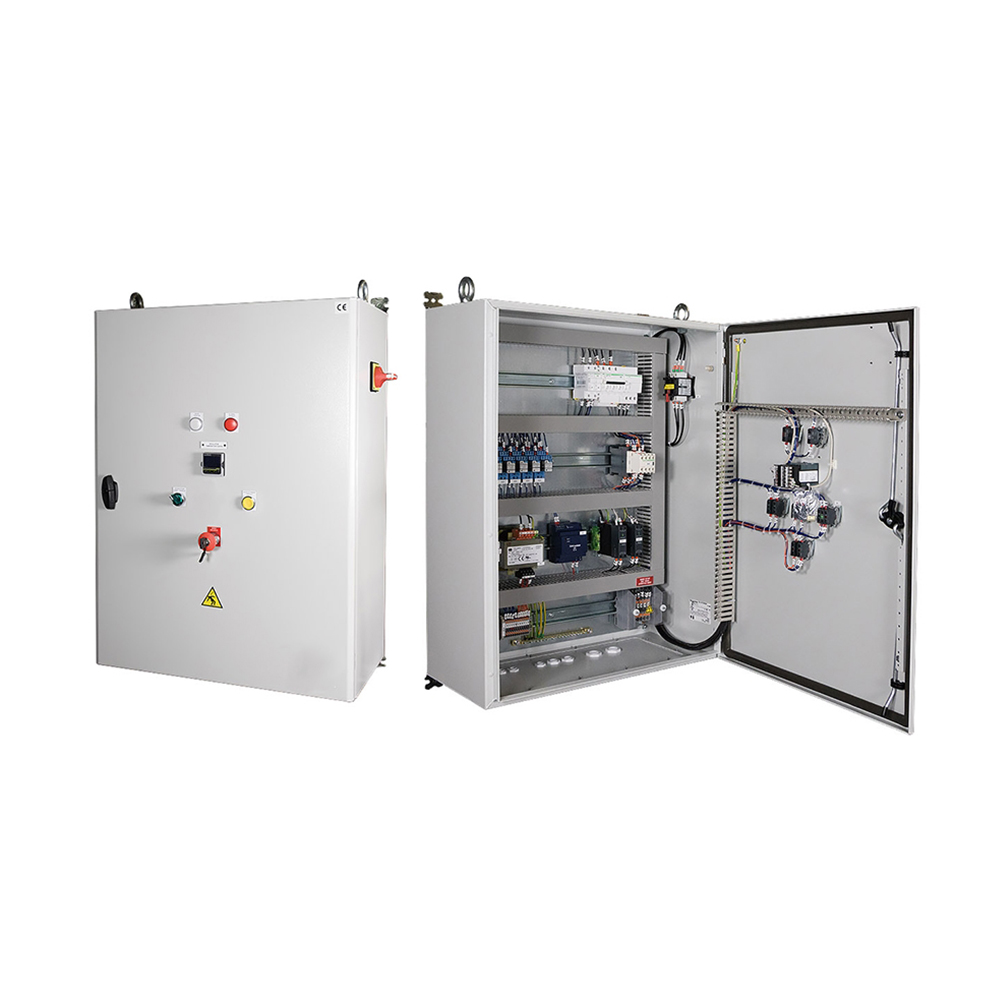
- Pair with an appropriate control system. Although self-regulating cable does not require a thermostat to prevent overheating, an ambient-sensing or pipe-sensing controller reduces energy consumption by up to 60% compared to continuous energization. Our control systems are engineered to integrate directly with self-regulating heat trace installations.
- Conduct annual insulation resistance testing. A dropping megohm reading year-over-year is an early indicator of jacket degradation before visible failure occurs. Logging test results creates a maintenance record that supports both safety audits and warranty claims.
With proper installation and routine testing, high-quality self-regulating cables deliver service lives exceeding 20 years in many industrial environments — a significantly longer return on investment than the commonly cited 3–5 year benchmark for poorly maintained or undersized systems.
Conclusion
Self-regulating heat tracing is not a single product — it is a system decision that spans cable grade selection, jacket material, power output calculation, certification compliance, installation technique, and ongoing maintenance. When each of these elements is matched to the specific demands of your application, the result is a freeze protection and process maintenance solution that operates reliably for decades with minimal intervention.
Jiangsu Weineng Electric Co., Ltd has over 16 years of experience designing and manufacturing electric heat tracing cables and complete industrial heating systems. Whether your project requires standard self-regulating cable for a commercial building or a fully engineered, explosion-proof heat tracing system for an offshore platform, our engineering team can support you from heat loss calculation through to commissioning. Contact us today to discuss your requirements and request a customized solution.

 English
 русский
 Français
 Español
 عربى
عربى
