Understanding the Role of Heat Trace in Energy Efficiency
Heat trace systems are designed to maintain or raise the temperature of pipes, vessels, and equipment by applying controlled electrical heat. Their primary function is to prevent heat loss, freezing, or process temperature fluctuations. When evaluated from an energy efficiency perspective, heat trace solutions stand out because they deliver heat only where and when it is needed, reducing unnecessary energy consumption compared to blanket heating methods.
In industrial, commercial, and infrastructure applications, uncontrolled heat loss can lead to significant energy waste. Heat trace systems directly address this issue by compensating for thermal losses along specific components, ensuring stable operation without overheating surrounding areas.
How Heat Trace Systems Minimize Energy Waste
One of the key reasons heat trace solutions are associated with energy efficiency is their targeted heating approach. Instead of heating an entire space, heat trace applies thermal energy directly to pipes or surfaces that require temperature maintenance. This focused method significantly reduces overall energy demand.
Modern heat trace technologies often integrate insulation, thermostats, and control units. Insulation minimizes heat loss to the environment, while thermostatic controls ensure the system operates only when temperatures fall below predefined thresholds. This combination prevents continuous energy draw and optimizes power usage.
Self-Regulating vs. Constant Wattage Heat Trace
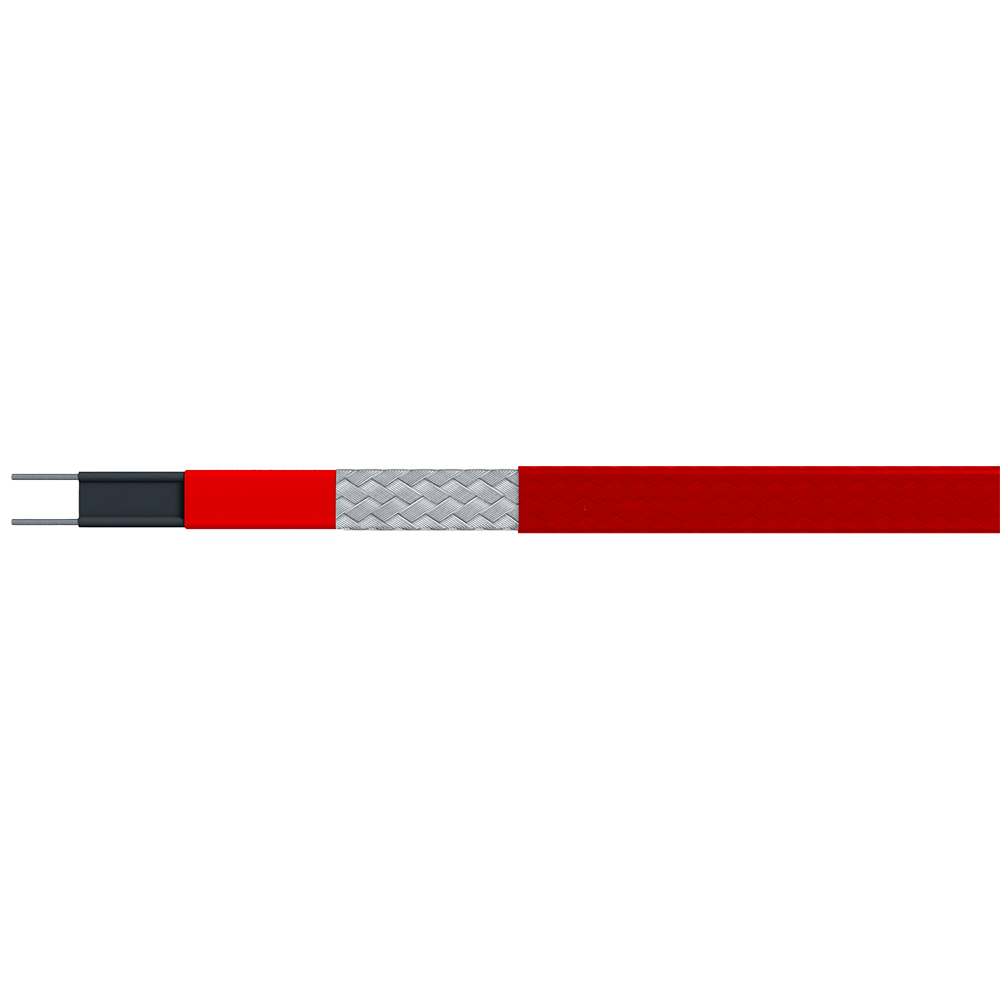
Different heat trace designs influence energy efficiency outcomes. Self-regulating heat trace cables automatically adjust their heat output in response to ambient or surface temperature changes. As temperatures rise, power output decreases, resulting in lower energy consumption without compromising protection.
Constant wattage systems, while reliable, deliver a fixed heat output and rely more heavily on external controls. When paired with accurate sensors and controllers, they can still achieve efficient performance, especially in stable environments with predictable thermal requirements.
Practical Applications Where Heat Trace Improves Efficiency
Heat trace solutions are widely used in industries where temperature stability directly impacts energy use and operational reliability. In these scenarios, efficient heat tracing prevents process interruptions and avoids the need for energy-intensive corrective measures.
- Water and wastewater pipelines, where freeze protection avoids pipe bursts and emergency repairs.
- Oil and gas facilities, where viscosity control reduces pumping energy requirements.
- Chemical processing plants, where consistent temperatures support reaction efficiency.
- Commercial buildings, where roof and gutter heat trace prevents ice buildup without excessive heating.
Energy Efficiency Through Smart Control and Monitoring
Advanced heat trace systems increasingly rely on smart control technologies. Digital controllers, temperature sensors, and centralized monitoring platforms allow operators to fine-tune system performance based on real-time conditions. This level of precision significantly improves energy efficiency by eliminating guesswork.
Remote monitoring also enables early detection of faults, such as insulation damage or power irregularities. Addressing these issues promptly prevents energy losses that would otherwise go unnoticed in traditional heating systems.
Integration With Energy Management Systems
When integrated into broader energy management systems, heat trace solutions contribute to facility-wide efficiency goals. Data from heat trace circuits can be analyzed alongside other energy-consuming systems, enabling more informed decisions about load balancing and peak demand reduction.
Comparing Heat Trace to Alternative Heating Methods
To understand the efficiency benefits of heat trace, it is useful to compare it with alternative approaches such as space heaters, steam tracing, or heated enclosures. These methods often require higher energy input and can lead to uneven temperature distribution.
| Heating Method |
Energy Control |
Efficiency Level |
| Heat Trace |
Targeted, precise |
High |
| Steam Tracing |
Difficult to regulate |
Moderate |
| Space Heating |
Broad coverage |
Low |
Installation and Design Factors That Affect Efficiency
The energy performance of a heat trace system depends heavily on proper design and installation. Oversized systems may consume unnecessary power, while undersized systems struggle to maintain temperatures, leading to inefficiencies.
Key considerations include pipe material, diameter, ambient temperature range, insulation thickness, and expected heat loss. Accurate heat loss calculations ensure that the system delivers sufficient heat without excess energy use.
Long-Term Cost Savings and Sustainability Benefits
While initial installation costs may raise concerns, heat trace solutions often deliver substantial long-term savings. Reduced energy consumption, fewer maintenance interventions, and extended equipment life all contribute to lower total operating costs.
From a sustainability standpoint, efficient heat trace systems support reduced carbon emissions by optimizing energy use. Many facilities include heat trace upgrades as part of broader efforts to meet energy efficiency standards and environmental targets.
Conclusion: Are Heat Trace Solutions the Key to Reliable Energy Efficiency?
Heat trace solutions offer a practical and reliable path to improved energy efficiency, particularly in applications where temperature maintenance is critical. By delivering targeted heat, integrating intelligent controls, and reducing unnecessary energy loss, they outperform many traditional heating methods.
When properly designed, installed, and monitored, heat trace systems not only protect infrastructure but also contribute meaningfully to long-term energy efficiency and sustainability goals. For many industries, they are indeed a key component in achieving reliable and efficient thermal management.

 English
 русский
 Français
 Español
 عربى
عربى
