Introduction to Air Duct Heaters
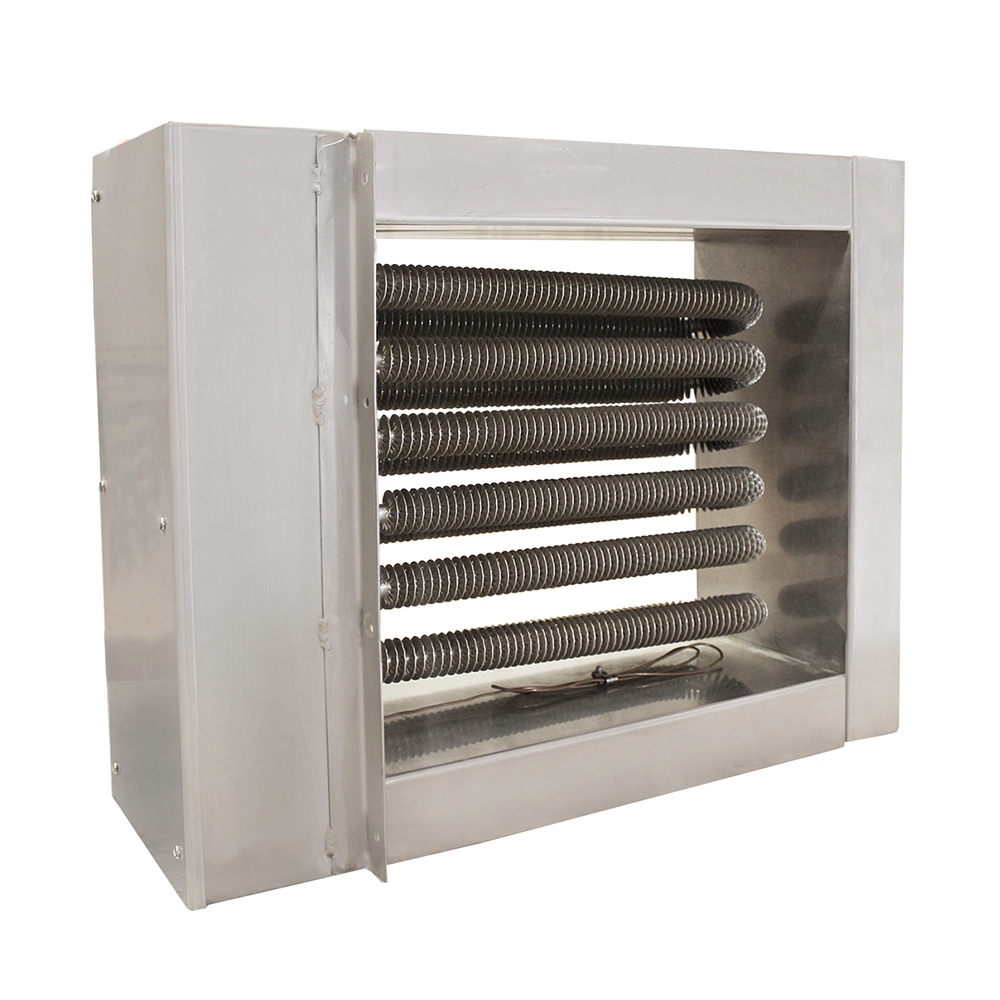
Air-duct heaters are a key component in commercial HVAC systems, providing controlled and efficient heating through duct networks. They are widely used in offices, retail spaces, hospitals, warehouses, and other commercial buildings. By delivering warm air directly into the duct system, these heaters maintain comfortable indoor temperatures, support energy efficiency, and enhance overall building performance.
Types of Air Duct Heaters
There are several types of air-duct heaters used in commercial buildings, each with specific advantages:
- Electric Air Duct Heaters: These heaters use electric heating elements to warm the air. They offer precise temperature control, fast response, and are easy to integrate with building automation systems.
- Hot Water Air Duct Heaters: These units utilize hot water from a central boiler. They are ideal for buildings with existing hydronic heating systems and provide uniform heat distribution.
- Steam Air Duct Heaters: Steam duct heaters are commonly used in large commercial or industrial buildings. They offer high heat output and are efficient for spaces with high ceiling volumes.
- Dual-Stage or Dual-Heaters: These models combine multiple heating elements or energy sources, allowing staged heating and improving energy efficiency during partial load conditions.
Applications in Office Buildings
In office buildings, air-duct heaters provide reliable and even heating to ensure employee comfort across multiple floors or open-plan layouts:
- Maintaining consistent temperatures in workspaces, meeting rooms, and lobbies.
- Integrating with thermostats and building management systems for energy savings.
- Allowing quick temperature adjustments for seasonal changes or occupancy variations.
- Reducing draft or uneven heating often associated with single-point heaters.
Applications in Retail and Commercial Spaces
Air-duct heaters are widely adopted in retail stores, shopping malls, and commercial facilities to create comfortable environments for customers and staff:
- Providing rapid and even heating to high-ceiling spaces.
- Protecting temperature-sensitive products, such as electronics or perishable goods.
- Integrating with energy-efficient systems to reduce operating costs.
- Ensuring quiet operation to maintain a pleasant shopping atmosphere.
Industrial and Warehouse Applications
Air-duct heaters are suitable for large-volume spaces like warehouses, production facilities, and factories where traditional heating methods may be insufficient:
- Maintaining consistent working temperatures for staff and equipment.
- Reducing condensation in cold storage or high-humidity areas.
- Integrating with automated HVAC controls to optimize energy use during peak and off-peak hours.
- Enabling staged heating to minimize operational costs while meeting variable demand.
Healthcare and Hospitality Applications
Hospitals, clinics, and hotels require precise and reliable indoor heating to maintain comfort and meet health standards:
- Providing uniform warmth in patient rooms, waiting areas, and corridors.
- Supporting infection control by maintaining dry and controlled air conditions.
- Integrating with HVAC zoning to allow independent temperature control for guest rooms.
- Enhancing energy efficiency through staged or dual-stage heating systems.
Benefits of Air-Duct Heaters in Commercial Buildings
Adopting air-duct heaters provides several practical benefits for building operators:
- Even distribution of heated air, avoiding cold spots.
- Fast and responsive temperature control for improved occupant comfort.
- Energy-efficient operation with staged or dual-element designs.
- Integration with modern HVAC controls for automated heating schedules.
- Reduced maintenance compared to traditional heating units due to protected elements inside ductwork.
Installation and Maintenance Considerations
To ensure optimal performance, proper installation and maintenance are essential:
- Ensure correct sizing of heaters according to duct dimensions and heating load.
- Install clearances and airflow provisions to prevent overheating or air restriction.
- Integrate temperature sensors and safety devices to monitor performance.
- Schedule periodic inspection and cleaning to prevent dust buildup on heating elements.
- Check electrical or plumbing connections depending on heater type to ensure safe operation.
Comparison with Other Commercial Heating Systems
Compared to traditional space heaters or baseboard units, air-duct heaters provide distinct advantages in commercial settings:
| Heating Type |
Efficiency |
Distribution |
Maintenance |
| Air-Duct Heater |
High |
Even |
Moderate |
| Baseboard Heater |
Moderate |
Localized |
Low |
| Fan Coil Unit |
Moderate |
Moderate |
Moderate |
| Radiant Heating |
High |
Localized |
Low |
Conclusion
Air-duct heaters are versatile and essential components of modern commercial HVAC systems. They provide efficient, evenly distributed, and controllable heating across offices, retail spaces, healthcare facilities, warehouses, and hospitality environments. With proper selection, installation, and maintenance, air-duct heaters optimize energy usage, enhance occupant comfort, and support sustainable building operation. Understanding their applications helps building managers and HVAC professionals make informed decisions to improve both performance and efficiency.

 English
 русский
 Français
 Español
 عربى
عربى
