Introduction to Electric Skid Heaters
Electric skid heaters are specialized industrial heating devices designed to heat liquids, oils, and other fluids in tanks or pipelines efficiently. Their skid-mounted design allows easy installation, mobility, and integration with industrial processes. Understanding their efficiency is essential for selecting the right system and optimizing energy consumption.
Design and Working Principle
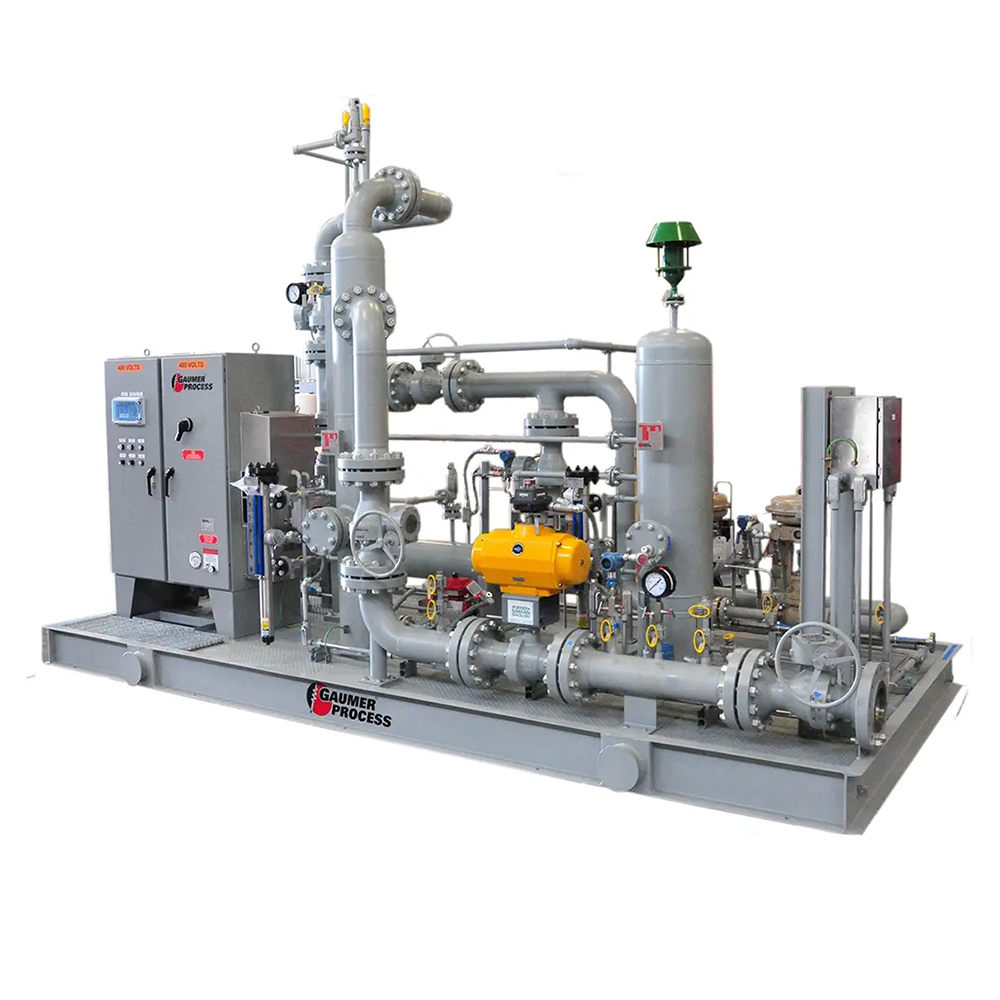
Electric skid heaters operate by using high-power heating elements arranged within a skid-mounted frame. The heating elements transfer thermal energy directly to the fluid, ensuring rapid and uniform heating. Most designs include pumps and circulation systems to maintain consistent temperature throughout the fluid.
- **Direct Immersion Heating:** Heating elements are submerged in the fluid, providing fast energy transfer and minimizing heat loss.
- **Circulation System:** Built-in pumps circulate the liquid, ensuring uniform heating and preventing hotspots.
- **Temperature Control:** Advanced thermostats or digital controllers maintain target temperatures with minimal energy waste.
Energy Efficiency Factors
The efficiency of electric skid heaters depends on multiple factors, including heater design, insulation, fluid type, and operational conditions. Proper consideration of these factors ensures optimal performance.
- **Insulation:** High-quality insulation around tanks and piping reduces heat loss and improves energy efficiency.
- **Fluid Viscosity:** Low-viscosity fluids transfer heat more efficiently, while high-viscosity fluids may require longer heating times or higher energy input.
- **Load Matching:** Selecting a heater with power capacity suited to the tank size and fluid volume prevents energy waste.
- **Controller Accuracy:** Digital controllers with precise temperature sensors minimize overheating and energy loss.
Advantages Over Traditional Heating Methods
Electric skid heaters offer significant efficiency advantages compared to conventional steam or gas heating systems. Their direct energy transfer and controlled operation lead to reduced energy consumption and faster heating cycles.
- **Faster Heat-Up:** Direct immersion heating allows fluids to reach desired temperatures quickly.
- **Reduced Energy Loss:** Insulated tanks and controlled heating elements minimize wasted energy.
- **Lower Operational Costs:** Efficient heating reduces electricity consumption, translating to cost savings over time.
- **Compact Design:** Skid-mounted units require less space and often eliminate the need for large boilers or external heat sources.
Industrial Applications
The efficiency of electric skid heaters makes them highly suitable for various industrial applications where consistent, controlled heating is critical. They are commonly used in oil, chemical, food, and pharmaceutical industries.
- **Oil Heating:** Maintains proper viscosity for lubrication, fuel, or process oils.
- **Chemical Processes:** Ensures precise reaction temperatures for chemical mixing or processing.
- **Food Industry:** Maintains sauces, oils, and other liquid ingredients at controlled temperatures.
- **Pharmaceuticals:** Keeps active ingredients at specific temperatures during mixing or storage.
Performance Metrics and Efficiency Ratings
Efficiency is often measured in terms of energy input versus heat delivered to the fluid. Most modern electric skid heaters achieve efficiencies between 85% and 95%, depending on insulation, fluid type, and operational control.
- **Power Consumption vs. Heat Output:** High-efficiency heaters convert most electrical energy directly into heat for the fluid.
- **Temperature Uniformity:** Circulation pumps and thermostatic control ensure minimal temperature variance, reducing energy wasted on overheating.
- **Cycle Time Reduction:** Faster heat-up reduces idle time and energy spent maintaining temperature.
Maintenance and Longevity
Efficient operation also relies on proper maintenance. Cleaning heating elements, inspecting insulation, and ensuring circulation systems function correctly help maintain performance and reduce energy consumption.
- **Element Inspection:** Regular checks prevent scaling or sediment buildup, which can reduce efficiency.
- **Pump Maintenance:** Ensures continuous fluid circulation for uniform heat distribution.
- **Insulation Integrity:** Maintains energy efficiency by preventing heat loss.
Conclusion
Electric skid heaters provide highly efficient heating for a wide range of industrial applications. Their design, direct immersion heating, and advanced control systems reduce energy consumption, accelerate heat-up times, and provide precise temperature control. Selecting the right model, maintaining insulation, and ensuring proper operation maximize efficiency and deliver long-term cost savings.

 English
 русский
 Français
 Español
 عربى
عربى
