Introduction to Screw Plug Immersion Heaters
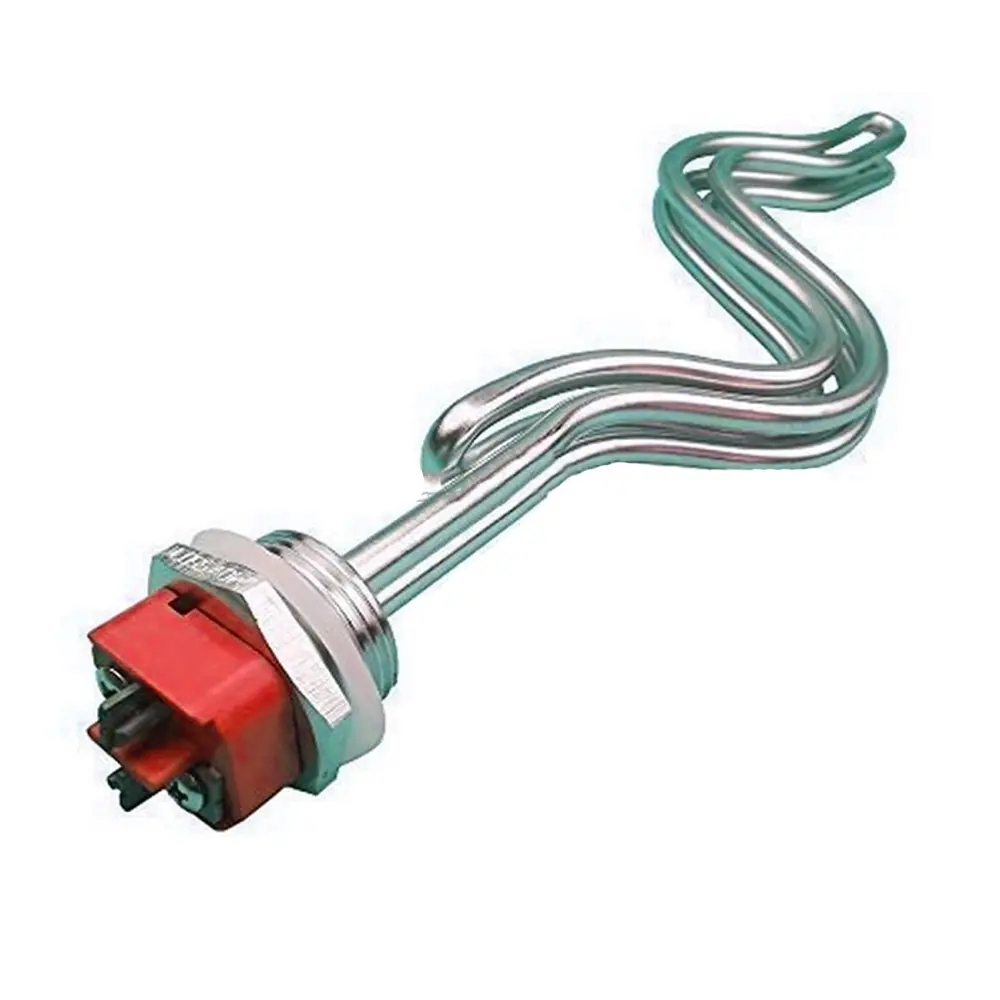
Screw plug immersion heaters are widely used industrial heating devices designed to heat liquids directly in tanks, vessels, or pipelines. These heaters consist of a threaded flange or screw plug for mounting, a heating element that transfers energy to the liquid, and a terminal enclosure that houses electrical connections. Their compact and versatile design makes them suitable for applications ranging from water heating to chemical processing.
A critical concern in certain industrial environments is whether screw-in immersion heaters can safely withstand high-pressure liquids. The answer depends on several factors including material strength, heater design, installation method, and operating parameters. Understanding these factors is essential for ensuring safe and reliable operation in pressurized systems.
Construction and Material Considerations
The ability of a screw plug immersion heater to withstand high-pressure liquids begins with its construction. High-quality heaters typically use stainless steel, Incoloy, or other corrosion-resistant alloys for the heating element and threaded flange. These materials offer high tensile strength and durability under both thermal and mechanical stress.
The screw plug, often referred to as the threaded mounting base, must be designed to resist deformation and leakage under pressure. The thickness, threading type, and seal material (such as PTFE gaskets or compression seals) play a critical role in maintaining pressure integrity. Additionally, the electrical terminal housing must remain sealed to prevent liquid ingress.
Pressure Rating and Safety Standards
Screw plug immersion heaters are manufactured to specific pressure ratings determined by industry standards and testing procedures. Common standards include ASME, DIN, and ISO, which define the maximum allowable working pressure (MAWP) for different heater sizes and materials.
Exceeding the pressure rating can lead to deformation of the screw plug, seal failure, or leakage of heated liquids, which poses significant safety risks. Therefore, selecting a heater rated for the system’s operating pressure is essential. Engineers often include a safety margin to accommodate pressure spikes, thermal expansion, and long-term wear.
Design Features for High-Pressure Applications
Several design features enable screw-in immersion heaters to handle high-pressure liquids safely. Reinforced threaded plugs, robust heating elements, and heavy-duty seals are commonly used. Some models include compression fittings or flanges with multiple contact surfaces to distribute stress evenly.
Additionally, high-pressure immersion heaters may incorporate safety devices such as pressure relief valves, thermal cutoffs, and temperature sensors. These components protect the heater and the liquid system from overheating or overpressure, ensuring operational safety even in demanding industrial environments.
Key features for high-pressure capability
- Thick stainless steel or Incoloy heating elements to resist deformation
- High-strength screw plug threads with compatible pressure-rated gaskets
- Sealed terminal enclosure to prevent liquid ingress
- Optional safety devices like pressure relief valves and thermal cutoffs
Installation Best Practices
Proper installation is crucial for ensuring that a screw plug immersion heater can withstand high-pressure liquids. The heater should be installed in accordance with the manufacturer’s specifications, including torque settings for the threaded plug and proper gasket placement. Incorrect installation can compromise the pressure seal, resulting in leaks or potential hazards.
It is also important to align the heater vertically or horizontally as recommended, ensuring even immersion of the heating element. Pre-checking system pressure, thermal expansion allowances, and tank wall compatibility helps maintain both heater integrity and system safety.
Liquid Types and Compatibility
Not all high-pressure liquids are suitable for all screw plug immersion heaters. The chemical composition, viscosity, and corrosiveness of the liquid affect material selection and pressure capability. For example, aggressive chemicals may require Incoloy or specialized coatings, while water or oils are generally compatible with stainless steel heaters.
High-pressure applications often involve fluids under elevated temperatures, which further stress the heater. Proper material selection, combined with regular inspection and maintenance, ensures that the heater can safely handle the operational conditions without failure.
Maintenance and Inspection for Pressure Systems
Routine maintenance and inspection are essential for screw-in immersion heaters operating under high-pressure conditions. Key practices include checking for leaks, inspecting gaskets for wear, verifying thread integrity, and ensuring the terminal enclosure remains sealed. These steps prevent unexpected failure and extend the heater’s service life.
Pressure testing before initial operation and after maintenance ensures that the system and the heater can safely handle the required pressure. Periodic cleaning of the heating element to prevent scale buildup also maintains thermal efficiency and reduces the risk of overheating.
Comparison of Heater Types for High-Pressure Liquids
Screw plug immersion heaters can be compared with flange-mounted or circulation heaters when considering high-pressure liquid applications. Screw-in designs offer compact installation and easy replacement but require careful attention to pressure ratings. Flanged heaters provide larger surface contact and higher load capacity, while circulation heaters are designed for continuous flow systems under moderate pressure.
| Heater Type |
Pressure Rating |
Ideal Application |
| Screw Plug Immersion |
Medium to High |
Compact tanks, localized heating |
| Flange Immersion |
High |
Large vessels, high-pressure fluids |
| Circulation Heater |
Moderate |
Flow systems, moderate pressure |
Conclusion: High-Pressure Suitability
Screw plug immersion heaters can withstand high-pressure liquids if properly designed, manufactured from suitable materials, and installed according to specifications. Selecting the correct pressure rating, material, and safety features is essential for safe operation. With appropriate installation, maintenance, and inspection, these heaters provide reliable, efficient, and durable solutions for high-pressure industrial liquid heating.

 English
 русский
 Français
 Español
 عربى
عربى
