A compressor room with a slow seal leak, a paint booth that releases solvent vapor, or a grain elevator where dust clouds form: each space has a different chance of producing a flammable atmosphere. Hazardous area classification turns those differences into installation rules. It determines whether standard equipment is acceptable, whether explosion-protected housings are required, and which temperature limits apply. Complete the classification before selecting heaters, control panels, or heat tracing.
What Hazardous Area Classification Actually Decides
Classification does not simply label a room as dangerous. It defines the flammable material, the likelihood of a combustible concentration, and the ignition properties of that material. From those inputs, engineers assign a class, division, or zone, then select equipment with the correct protection concept and temperature rating.
The practical effect is a narrow list of approved equipment. A general-purpose heater with a standard terminal box may be safe in a non-classified utility area, but it cannot be installed where a Division 1 or Zone 1 atmosphere is possible. The same applies to control cabinets, junction boxes, sensors, and drives. If the area needs flameproof equipment, every component that can produce a spark or hot surface must meet that requirement.
The Three Inputs: Material, Release, and Ventilation
The first input is the material. Hydrogen behaves differently from heavy solvent vapor or metal dust. Hydrogen has a wide flammable range and low ignition energy, so it often falls into Gas Group IIC and requires attention to enclosure joints and cable entries. Propane and natural gas typically fall into Group D or IIA. Aluminum powder or flour requires Class II or Zone 20/21/22 treatment, with dust ingress protection and surface temperature control.
The second input is release frequency. A continuous release, such as an open process vessel, creates a more severe classification than a release that occurs only during maintenance. The third is ventilation. A well-ventilated outdoor skid may disperse vapors quickly, while a pit or enclosed room can trap heavier-than-air gases and extend the classified zone.
These inputs are documented on an area classification drawing. It shows zone boundaries and notes the gas group, temperature class, and special conditions. If the drawing is missing or outdated, equipment selection becomes guesswork.
Class/Division and Zone Systems: A Practical Comparison
North American projects often use Class/Division from the NEC or CEC, while IEC-based projects use Zones. The systems describe similar hazards but are not identical. The table below gives a practical comparison for gas, vapor, and dust hazards.
Comparison of North American Class/Division and IEC Zone classification for flammable gases, vapors, and dusts.
| North American Class/Division |
IEC Zone |
Meaning |
Typical Example |
| Class I, Division 1 |
Zone 0 or Zone 1 |
Flammable gas or vapor is present continuously, intermittently, or under normal operating conditions. |
Inside a process vessel or near an open solvent transfer point. |
| Class I, Division 2 |
Zone 2 |
Flammable gas or vapor is normally confined and can escape only under abnormal conditions. |
Area around a closed pump seal or a well-ventilated compressor room. |
| Class II, Division 1 |
Zone 20 or Zone 21 |
Combustible dust is present continuously or intermittently in sufficient quantity to ignite. |
Inside a dust collector or at a powder filling station. |
| Class II, Division 2 |
Zone 22 |
Combustible dust is normally confined but may escape under abnormal conditions. |
Area around a closed dust conveyor or bagging machine. |
From Classification to Equipment Selection
Once the area is classified, selection begins with temperature class and gas group. Temperature class, T1 through T6, defines the maximum surface temperature. T3 allows up to 200 degrees Celsius, while T6 limits it to 85 degrees Celsius. The class must be lower than the autoignition temperature of the gas or dust with a safety margin. A hydrogen area may need T1 or T2, while a heavy fuel oil area may allow a higher class.
Gas group determines how easily a flame can pass through enclosure gaps. Group IIC, including hydrogen and acetylene, is the most demanding. Group IIB covers ethylene and many solvents. Group IIA covers propane and methane. A product marked IIB cannot be used in an IIC area unless it is also certified for IIC.
Protection methods describe how equipment prevents ignition. Flameproof Ex d contains an internal explosion. Increased safety Ex e reduces sparking and hot surfaces. Intrinsic safety Ex i limits electrical energy. Pressurization Ex p keeps flammable gas out with a protective gas flow. Each method has different installation requirements, and mixing methods without understanding the certification can void the approval.
For example, an explosion-proof immersion heater must match the gas group and temperature class of the area. A 6 kW ATEX-certified immersion heater may suit a Zone 1 solvent tank, but it cannot be installed in a hydrogen area unless its certification covers IIC and the correct temperature class.
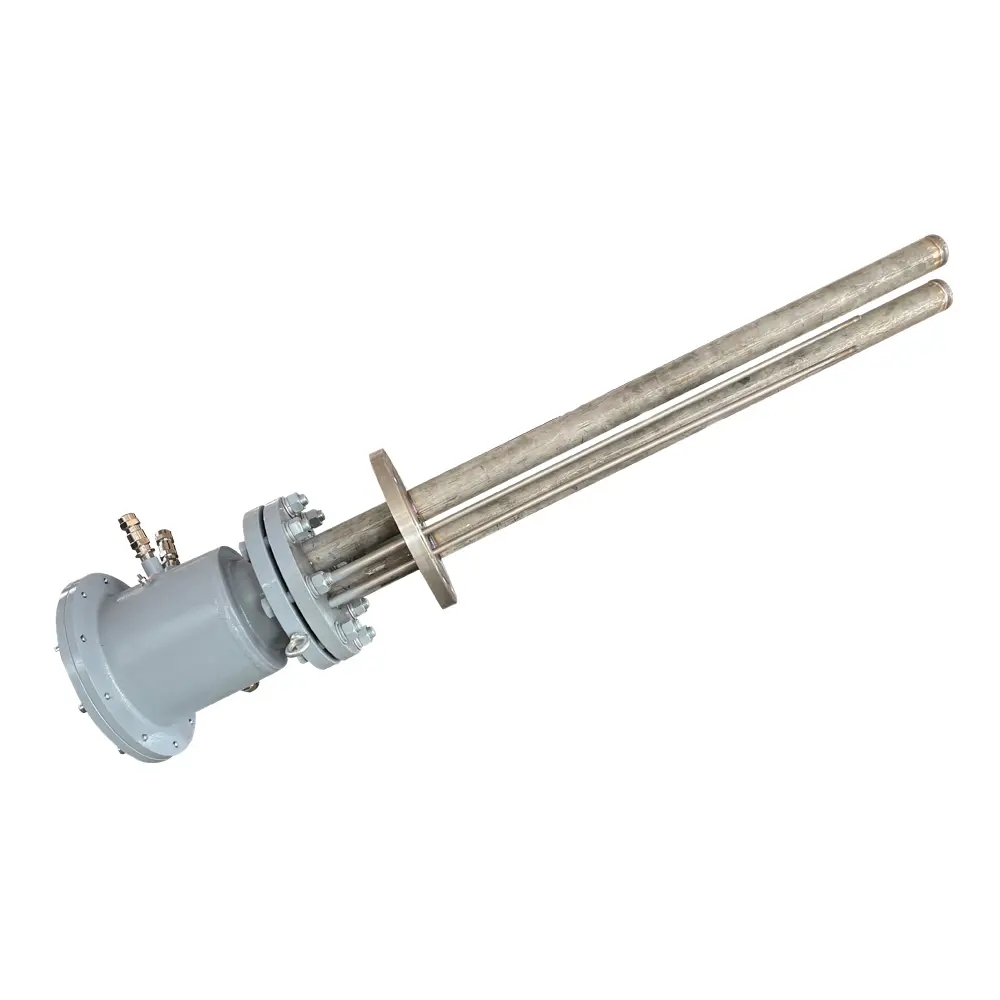 ATEX-Certified 380V 6KW Industrial Explosion Proof Immersion HeaterFlanged immersion heater for hazardous zones, with Exd/Exe IIC Gb, T1-T6 and IP66; verify gas group, temperature class and installation needs.View Product →
The control cabinet is often the component that causes procurement problems. A standard industrial cabinet with contactors and terminals is not acceptable in a classified area. It must use flameproof or purge-pressurized construction, and cable entries must be certified for the same protection concept. A flameproof control cabinet is designed for this purpose, but the buyer must still confirm gas group, temperature class, and IP rating against the classification drawing.
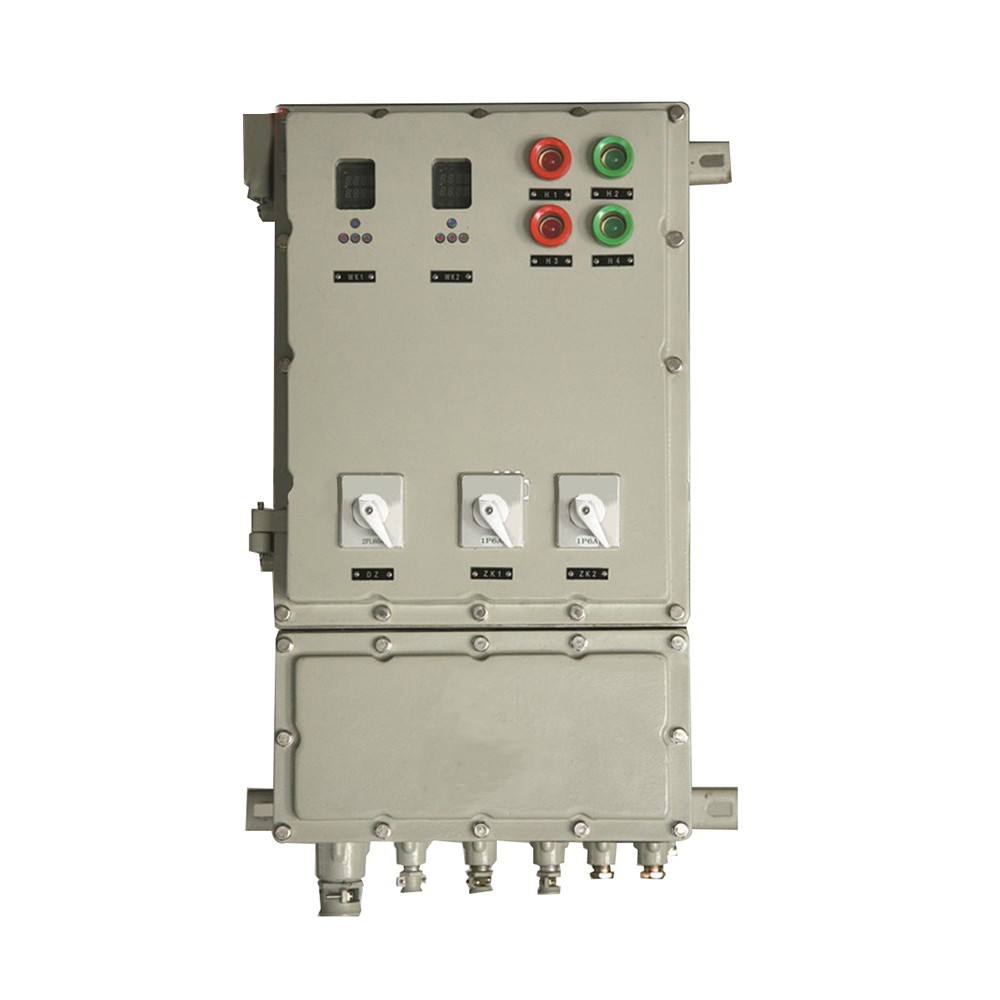 Flameproof Control Cabinet for Industrial Electric Heater SystemsHouses terminals, switches, and push-buttons in hazardous areas; cast aluminum or steel enclosure helps contain arcs for process flameproof heaters.View Product →
Heat Tracing and Control Cabinets in Hazardous Areas
Heat tracing is another area where classification affects cost. A self-regulating heating cable may be approved for hazardous locations, but the control cabinet, junction boxes, and end terminations must also carry the correct certification. In a Zone 1 area, a standard thermostat and terminal box cannot be used. The circuit must be designed with the appropriate Ex protection and temperature class so the cable surface does not exceed the autoignition temperature of the surrounding gas or dust.
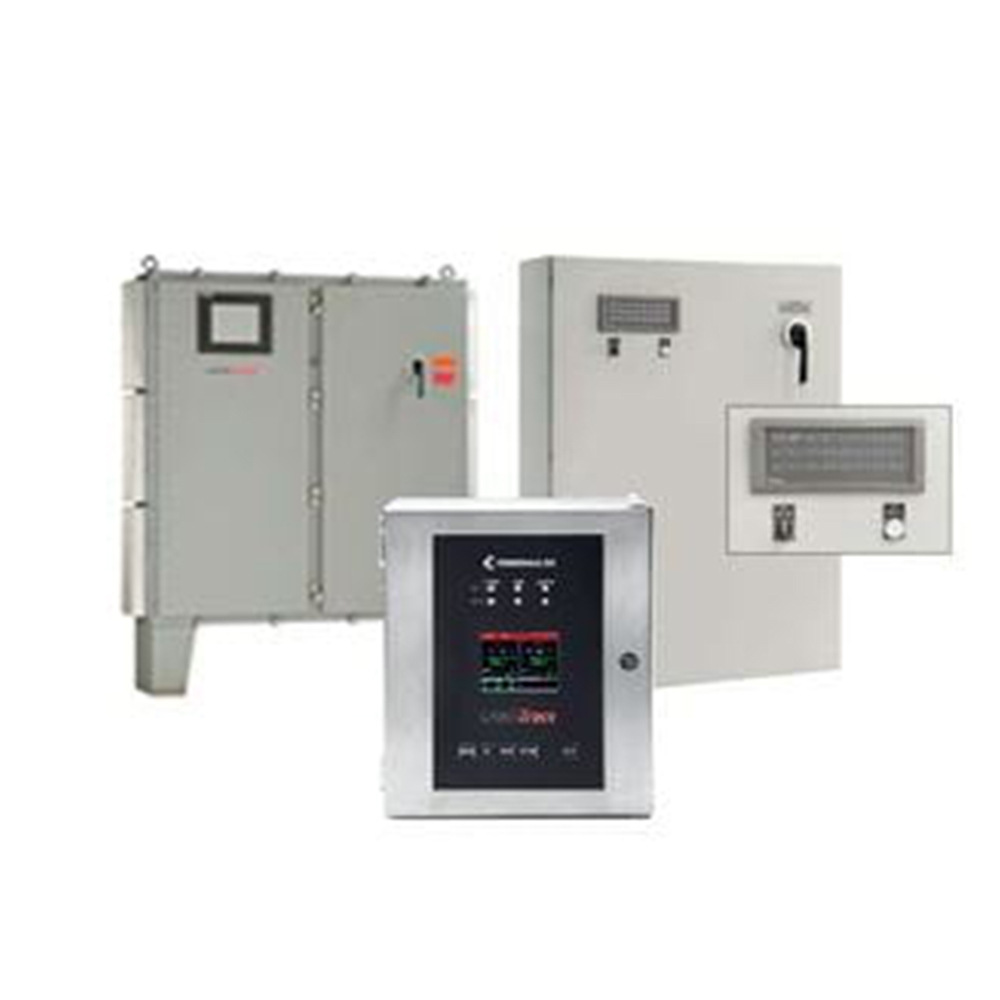 Heat Tracing Control Cabinet for Hazardous Location ApplicationsIntegrates temperature control, detection, and power management for 1–72 circuits, supporting freeze protection and process temperature maintenance in classified environments.View Product →
For outdoor or offshore installations, the cabinet may also need a high IP rating and corrosion-resistant enclosure. If controls must be inside the hazardous zone, the cabinet, glands, and internals become part of the certified package.
Common Mistakes and Purchasing Risks
One frequent error is treating IP65 or NEMA 4 as equivalent to explosion protection. An IP rating describes ingress protection against dust and water, not ignition protection. A stainless steel IP65 enclosure is still not acceptable in a Division 1 or Zone 1 area unless it is certified with an approved protection concept.
Another mistake is selecting a heater by wattage and voltage alone. The process may require 45 kW, but the hazardous area may require a specific flange rating, sheath material, and T3 temperature class. If the heater is undersized or oversized, the surface temperature can exceed the rating even if the nameplate says the product is certified. A related risk is ignoring gas group. A heater certified for IIA cannot be substituted for an IIC application, even if dimensions and power ratings look identical.
Retrofit costs are also underestimated. Replacing a non-certified control cabinet after installation can mean new cable entries, wiring, supports, and a shutdown. If the process changed, a new solvent was introduced, or ventilation was reduced, the classification itself may be wrong. Review the drawing before any equipment order is placed.
How to Brief a Heater Supplier
When requesting a quotation for hazardous area heating equipment, provide the supplier with the classification drawing, zone or division, gas group, temperature class, ambient temperature range, power supply, medium to be heated, and control requirements. State whether the heater will be installed in a tank, duct, or process line, and whether the control cabinet will be inside or outside the hazardous area. Suppliers who work with ATEX and IECEx projects can identify missing information before the order is placed.
Ask for certification documents, not just a statement that the product is explosion proof. A supplier's certifications and honors should be checked against the certificate number and the scope of approval. The certificate must cover the gas group, temperature class, and protection concept required by the classification. If the certificate covers IIB but the area requires IIC, the product is not suitable, even if the sales literature uses the word explosion-proof.
Finally, the equipment supplier cannot replace the owner's classification responsibility. The supplier can build a heater or control cabinet to a specified certification, but the classification must be based on process knowledge, material properties, and ventilation conditions. Treat classification as a design input, not a procurement checkbox.
Hazardous area classification links process safety and electrical procurement. Done early and documented clearly, it defines an equipment specification that prevents rework, reduces audit findings, and keeps heaters, control cabinets, and heat tracing within certified limits. Skipped or treated as a formality, it often leads to a costly retrofit or a safety gap that remains invisible until an inspection or incident reveals it.

 English
 русский
 Français
 Español
 عربى
عربى
