Electric Immersion Heater: Quick Overview and Conclusion
Electric immersion heaters are highly efficient devices for heating liquids directly in tanks, containers, or pipelines. They provide rapid heating, precise temperature control, and versatility for industrial, commercial, and household applications. Choosing the correct type, material, and wattage ensures optimal performance and safety.
How Electric Immersion Heaters Work
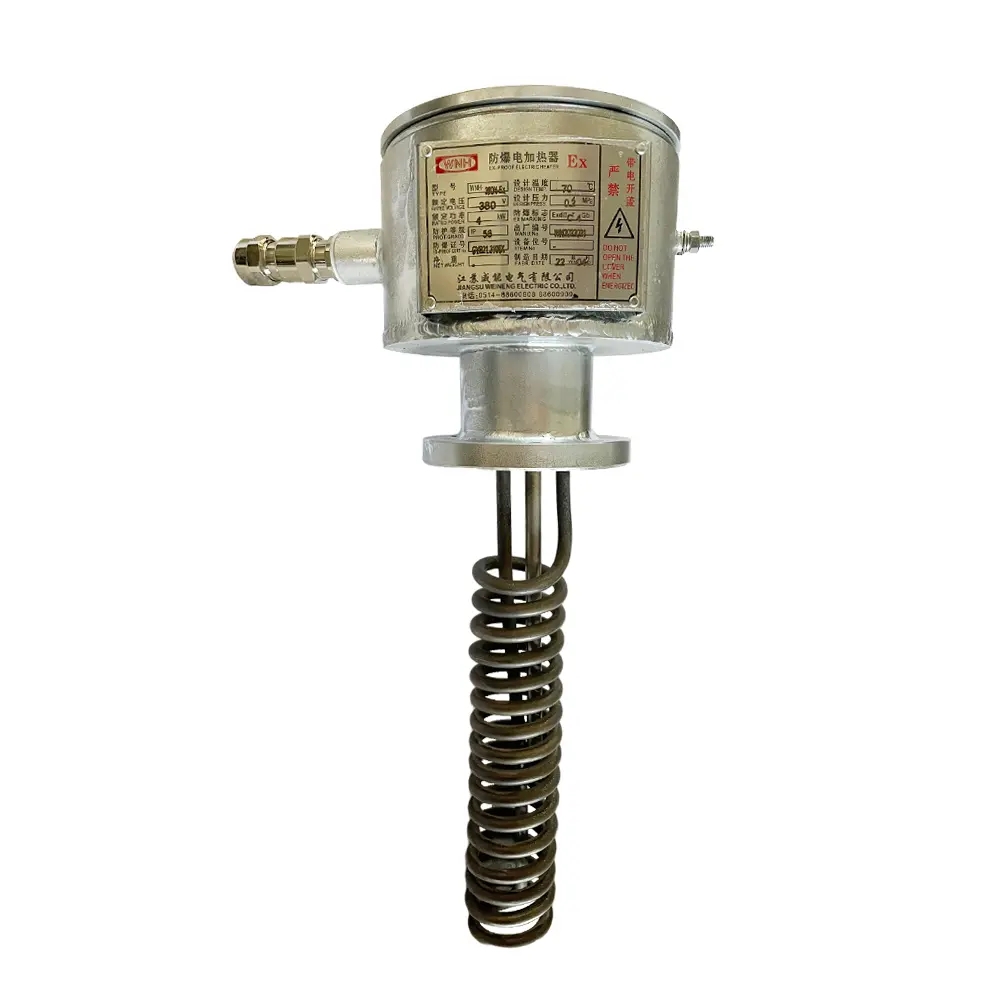
An electric immersion heater operates by converting electrical energy into heat through a resistive heating element, which is submerged directly into the liquid. The heat is transferred efficiently to the surrounding medium, providing fast and uniform temperature rise.
Core Components
- Heating Element: Usually made from stainless steel, Incoloy, or copper for durability and heat conduction.
- Flange or Screw Fitting: Secures the heater to tanks or pipes.
- Thermostat or Temperature Sensor: Maintains precise control and prevents overheating.
- Electrical Terminals: Connect the heater to power supply safely.
Types of Electric Immersion Heaters
Selecting the right heater type depends on liquid type, temperature requirements, and installation environment.
1. Screw Plug Immersion Heaters
Designed for small to medium tanks, these heaters are installed through threaded holes and provide direct heating. They are commonly used in water tanks, oils, and chemical solutions.
2. Flanged Immersion Heaters
Suitable for large industrial tanks, flanged heaters can handle high wattages and pressures. They are preferred in chemical plants and oil refineries.
3. Over-the-Side Immersion Heaters
These heaters are easily installed and removed for portable heating tasks. They are ideal for temporary heating of liquids in maintenance or testing scenarios.
4. Circulation Heaters
Circulation heaters are used in pipelines and closed-loop systems. They force liquid through the heater, providing rapid heat transfer and uniform temperatures.
Material Selection for Immersion Heaters
Material selection is crucial for durability and resistance to corrosion or scale build-up.
| Material |
Best For |
Temperature Range |
| Copper |
Water and light oils |
Up to 200°C |
| Stainless Steel |
Chemicals and corrosive liquids |
Up to 600°C |
| Incoloy |
High-temperature oils and acids |
Up to 900°C |
Common materials used in immersion heaters with their best applications and temperature ranges
Applications of Electric Immersion Heaters
Electric immersion heaters are versatile and widely used across industries and households.
- Water Heating: Domestic water tanks, boilers, and hot tubs.
- Industrial Heating: Oil, chemical solutions, and lubricants in tanks or pipelines.
- Food & Beverage: Maintaining syrup, dairy, or brewing liquids at precise temperatures.
- Laboratory Use: Heating water baths, solvents, or reaction mixtures with controlled temperature.
- Portable Heating: Over-the-side heaters allow temporary and flexible heating without permanent installation.
Efficiency and Safety Considerations
Optimizing Efficiency
Immersion heaters provide almost 100% energy efficiency as heat is directly transferred to the liquid. To further enhance efficiency, ensure proper insulation of tanks and avoid running heaters when liquid levels are too low.
Safety Precautions
- Always use heaters with built-in thermostats to prevent overheating.
- Avoid operating heaters in empty tanks or with insufficient liquid.
- Ensure electrical connections comply with local safety standards.
- Regularly inspect for scale, corrosion, or damaged insulation.
Conclusion
Electric immersion heaters are practical, efficient, and versatile heating solutions. Proper selection of type, material, and wattage, combined with safety precautions, ensures reliable performance across industrial and domestic applications. Their direct heating method, fast response, and precise control make them a preferred choice for any liquid heating requirement.

 English
 русский
 Français
 Español
 عربى
عربى
