The Role of Process Heaters in Modern Manufacturing
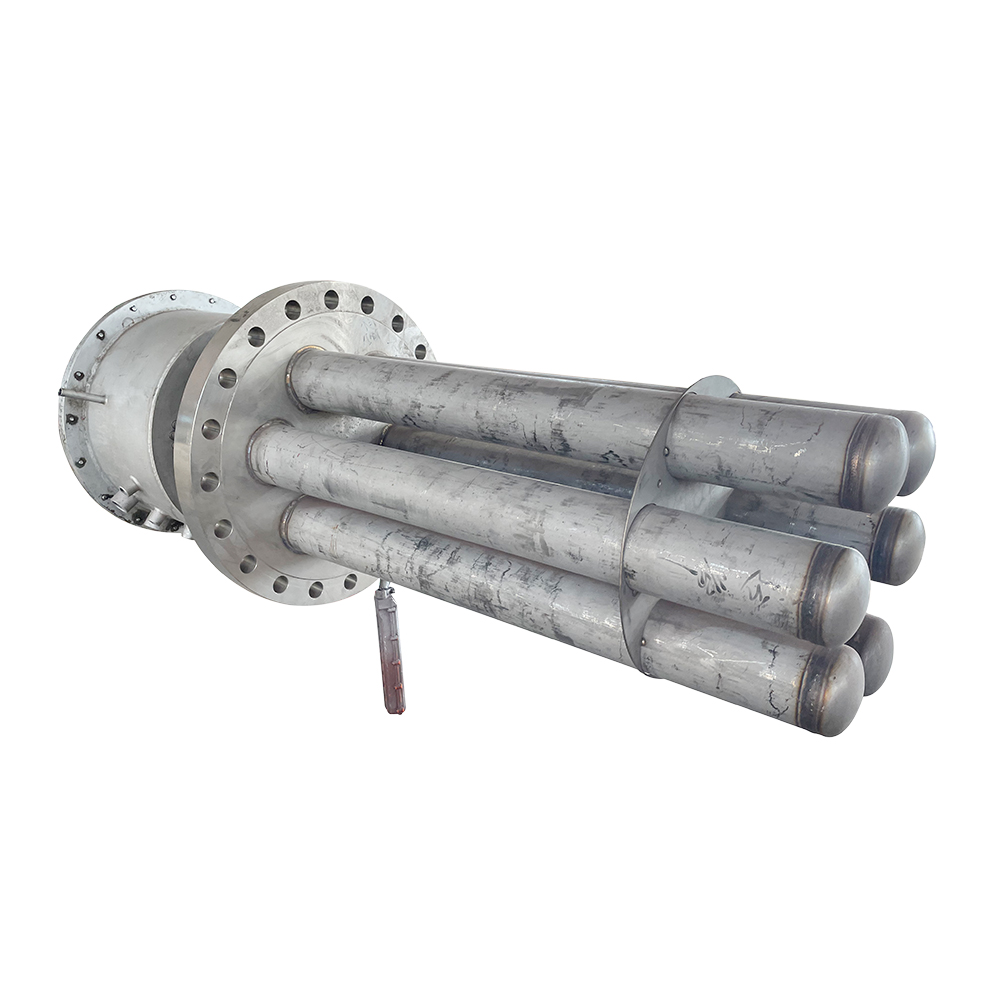
Process heaters are critical components in industrial operations, providing the controlled heat necessary for processes in chemical, petrochemical, food, and manufacturing sectors. Upgrading these systems can significantly influence efficiency, production quality, and overall competitiveness. Modern manufacturing increasingly relies on energy-efficient, reliable, and safe heating solutions to reduce operational costs and optimize production workflows.
Older process heaters often suffer from inefficiencies such as uneven heating, high energy consumption, and frequent maintenance requirements. Replacing or upgrading them with advanced heaters equipped with precise control systems and improved materials can yield immediate performance improvements.
Enhancing Energy Efficiency through Upgrades
Energy consumption is one of the largest operational costs in manufacturing plants. Upgrading process heaters can drastically reduce energy waste through better insulation, advanced burners, and optimized heat transfer technologies. Modern heaters often include features such as automatic temperature controls and modular designs, which allow plants to scale heat output efficiently without excessive energy use.
Key energy-saving upgrades include:
- High-efficiency burners that maximize fuel-to-heat conversion.
- Improved refractory materials to reduce heat loss.
- Advanced process controls for precise temperature regulation.
- Integration with energy monitoring systems to detect inefficiencies.
Reducing Maintenance and Downtime
Older process heaters often require frequent maintenance, which can disrupt production schedules and increase costs. Upgraded systems incorporate robust designs, corrosion-resistant materials, and predictive maintenance technologies. These features help reduce unplanned shutdowns, allowing manufacturers to maintain continuous production and improve reliability.
Predictive maintenance technologies include sensors that monitor temperature, pressure, and operational load, triggering alerts before equipment failure occurs. By preventing downtime, upgraded heaters support higher throughput and minimize lost production opportunities.
Improving Product Quality and Consistency
Temperature control is critical for product consistency, especially in chemical reactions, food processing, and material manufacturing. Upgraded process heaters provide uniform heating, precise temperature regulation, and faster response times. This ensures that each batch meets strict quality standards, reducing defects and waste.
Manufacturers can achieve consistent production outcomes by:
- Installing digital control systems for precise setpoint management.
- Using advanced sensors to monitor temperature fluctuations in real time.
- Implementing uniform heat distribution designs to eliminate cold or hot spots.
- Automating process adjustments based on material properties and load variations.
Integration with Industry 4.0 Technologies
Upgrading process heaters today often involves integrating smart technologies and IoT-enabled systems. These upgrades allow real-time monitoring, remote control, and data-driven optimization. By connecting heaters to centralized manufacturing systems, engineers can optimize energy use, predict maintenance needs, and improve operational efficiency.
Key Industry 4.0 features include:
- Real-time energy consumption monitoring for cost reduction.
- Data analytics for predictive maintenance and process optimization.
- Remote access to control heater parameters and troubleshoot issues.
- Integration with MES (Manufacturing Execution Systems) for production tracking.
Safety and Regulatory Compliance
Upgraded process heaters often feature advanced safety mechanisms, including automatic shutdowns, flame monitoring, and leak detection systems. Compliance with safety regulations is essential for industrial facilities to prevent accidents and avoid fines.
Modern heaters are designed to meet international standards, reducing the risk of workplace incidents and ensuring adherence to regulatory requirements. This not only protects personnel but also reduces the financial and operational risks associated with non-compliance.
Cost-Benefit Analysis of Upgrading Process Heaters
While upgrading process heaters requires initial investment, the long-term benefits often outweigh the costs. Energy savings, reduced maintenance, improved production quality, and enhanced safety contribute to overall operational efficiency and competitiveness.
The table below compares the impacts of standard vs upgraded process heaters:
| Feature |
Standard Heaters |
Upgraded Heaters |
| Energy Efficiency |
Medium |
High |
| Maintenance Frequency |
High |
Low |
| Product Consistency |
Medium |
High |
| Safety Compliance |
Standard |
Advanced |
| Operational Costs |
High |
Reduced |
Selecting the Right Upgrade Path
Choosing the optimal upgrade for process heaters requires analyzing current performance, energy consumption, and production requirements. Manufacturers should assess the type of heater, fuel source, and control systems to ensure compatibility with existing operations.
Collaboration with engineering experts or equipment manufacturers can help identify the best solutions, ensuring that investments deliver maximum performance and return on investment.
Conclusion: Upgrading Process Heaters as a Competitive Strategy
Upgrading process heaters is more than a maintenance decision; it is a strategic move to improve efficiency, reduce costs, enhance safety, and ensure product quality. Manufacturers that adopt modern, efficient, and smart heating solutions can gain a significant competitive advantage in their industries.
By investing in upgraded process heaters, industrial facilities can optimize operations, increase production reliability, and respond quickly to changing market demands. In a competitive manufacturing landscape, such improvements are essential to maintaining profitability and long-term success.

 English
 русский
 Français
 Español
 عربى
عربى
