Air duct heaters are essential components in modern HVAC systems, providing precise and efficient supplemental or primary heating for residential, commercial, and industrial spaces. Unlike traditional radiators or baseboard heaters, duct heaters integrate directly into the airflow path, ensuring uniform temperature distribution and rapid response to thermostat changes. For engineers and facility managers, selecting the right type of duct heater—whether electric, hydronic, or steam—is critical for optimizing energy efficiency, maintaining indoor air quality, and ensuring system longevity.
The primary advantage of an air duct heater is its ability to leverage existing ductwork for heat distribution, eliminating the need for additional piping or radiators. Electric duct heaters, in particular, offer nearly 100% energy conversion efficiency, as all electrical energy is converted directly into heat. However, proper sizing, airflow management, and safety controls are paramount to prevent overheating, fire hazards, and excessive energy consumption.
Types of Air Duct Heaters
Air duct heaters are categorized by their heat source and construction. Understanding the differences between electric, hydronic, and steam models helps in selecting the most appropriate solution for specific application requirements.
Electric Duct Heaters
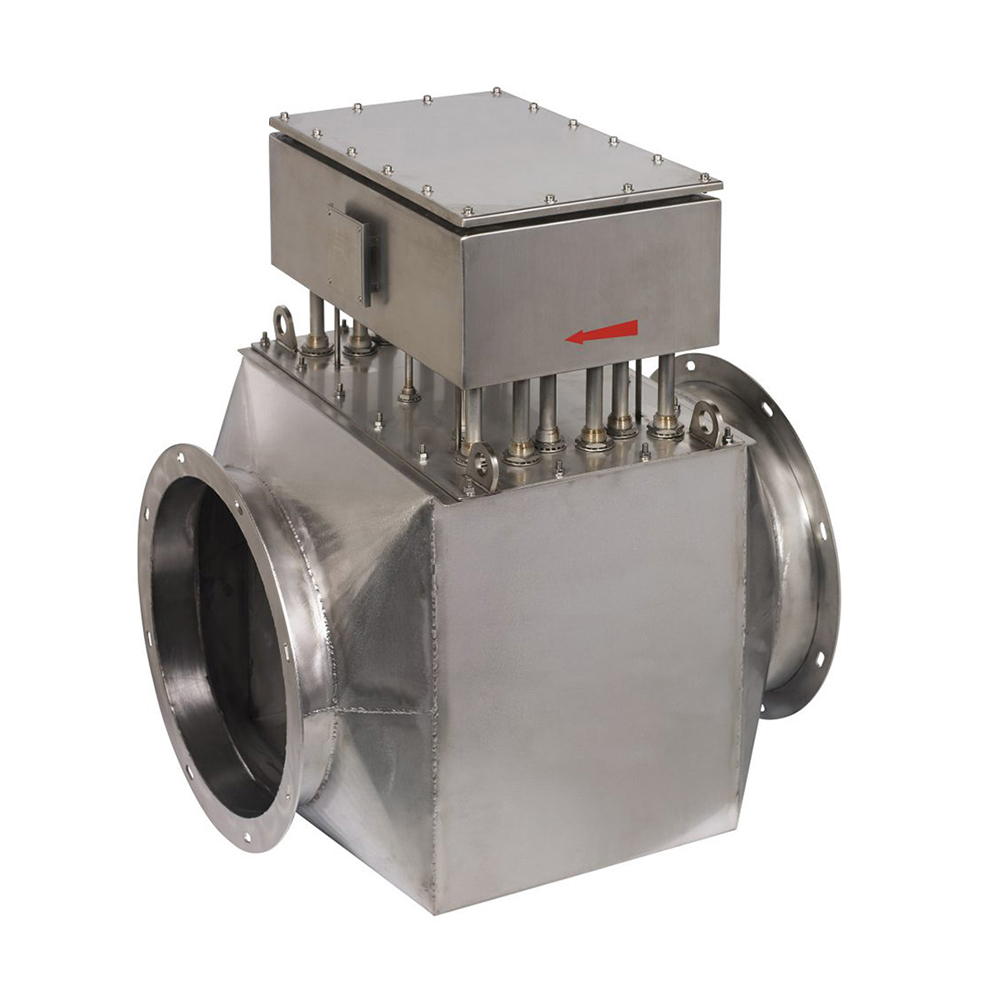
Electric duct heaters use resistive heating elements, typically made of nickel-chromium alloy, to generate heat as air passes over them. They are compact, easy to install, and require minimal maintenance. Electric models are ideal for zones where gas lines are unavailable or where precise temperature control is needed. They are commonly used in heat pump systems to provide supplemental heat during defrost cycles or extreme cold weather.
Hydronic and Steam Duct Heaters
Hydronic duct heaters use hot water or steam from a boiler to heat air via a coil assembly. These systems are more complex to install but are often more cost-effective to operate in large commercial buildings with existing boiler infrastructure. Hydronic coils can handle higher air temperatures and are less susceptible to drying out the air compared to electric resistance heating. However, they require regular maintenance to prevent leaks and corrosion.
Comparison of Electric and Hydronic Duct Heaters
| Feature |
Electric |
Hydronic/Steam |
| Installation Complexity |
Low |
High (Requires Piping) |
| Operating Cost |
High (Depending on Electricity Rates) |
Lower (If Boiler Efficient) |
| Maintenance |
Minimal |
Regular (Leak/Corrosion Checks) |
| Response Time |
Fast |
Slower (Thermal Mass) |
Sizing and Capacity Calculations
Proper sizing is crucial for the performance and safety of an air duct heater. An undersized unit will fail to meet heating demands, while an oversized unit can cause short cycling, uneven heating, and excessive energy use. The required capacity is determined by the airflow rate (CFM) and the desired temperature rise.
Calculating Heating Capacity
The heating capacity in kilowatts (kW) can be calculated using the following formula:
kW = (CFM × ΔT) / 3193
Where CFM is the airflow in cubic feet per minute, and ΔT is the temperature rise in degrees Fahrenheit. For example, to heat 1,000 CFM of air by 20°F, you would need approximately 6.26 kW of heating capacity. It is essential to account for heat losses in the ductwork and ensure the heater can handle the maximum static pressure of the system.
Airflow Velocity Limits
Maintaining proper airflow velocity across the heating elements is critical to prevent overheating. Most manufacturers specify a minimum airflow velocity, typically around 400-500 feet per minute (FPM), to ensure adequate heat dissipation. Insufficient airflow can trigger high-limit safety switches, shutting down the heater prematurely. Installing airflow sensors and interlocking the heater with the fan motor ensures that the heater only operates when sufficient air is moving.
Safety Controls and Installation Best Practices
Safety is paramount when installing air duct heaters, especially electric models that generate high temperatures. Multiple layers of protection are required to prevent fire hazards and equipment damage.
- High-Limit Controls: Automatic reset high-limit switches cut power to the heating elements if the air temperature exceeds a safe threshold (e.g., 140°F). Manual reset high-limits provide a secondary backup in case the automatic switch fails.
- Fan Interlock: The heater must be electrically interlocked with the supply fan so that it cannot operate unless the fan is running. This prevents stagnant air from overheating the elements.
- Clearance Requirements: Maintain specified clearances from combustible materials, typically at least 12 inches from the heater casing to walls or insulation. Use non-combustible insulation on downstream ductwork if necessary.
- Orientation: Install electric duct heaters horizontally with terminals facing up or sideways to prevent debris accumulation on the elements. Vertical installation may require special considerations to ensure even heat distribution.
Proper installation also includes sealing all duct connections to prevent air leaks, which can reduce efficiency and cause pressure imbalances. Use mastic or UL-listed foil tape for sealing, and ensure the heater is securely mounted to support its weight and withstand vibration.
Maintenance and Troubleshooting
Regular maintenance ensures the efficiency and safety of air duct heaters. Neglecting maintenance can lead to reduced performance, higher energy bills, and potential safety hazards.
Routine Inspection Tasks
Inspect heating elements for signs of damage, such as breaks or hot spots. Clean dust and debris from the elements and fins annually to maintain heat transfer efficiency. Check electrical connections for tightness and signs of overheating, such as discoloration or melting. For hydronic units, inspect coils for leaks and ensure that valves and actuators are functioning correctly.
Common Issues and Solutions
If the heater fails to produce heat, check the thermostat settings, circuit breakers, and safety switches. A tripped high-limit switch often indicates airflow problems, such as a dirty filter or blocked duct. Reset the switch only after resolving the underlying issue. If the heater produces unusual noises, inspect for loose panels or vibrating components. Persistent issues should be addressed by a qualified HVAC technician to ensure safe and reliable operation.

 English
 русский
 Français
 Español
 عربى
عربى
