Air Duct Heaters as a Practical Heating Solution
Air duct heaters are an efficient and controllable way to raise or stabilize air temperature directly inside HVAC ductwork. By heating air as it moves through the system, they deliver warmth exactly where it is needed, reducing energy loss and improving overall comfort. This direct heating approach is widely used in commercial buildings, industrial facilities, and specialized climate-controlled environments.
Compared with space heaters or oversized central heating units, air duct heaters allow precise temperature regulation. In many installations, they reduce overall heating energy consumption by 15–25%, especially when paired with smart controls or variable air volume systems.
How Air Duct Heaters Work Within HVAC Systems
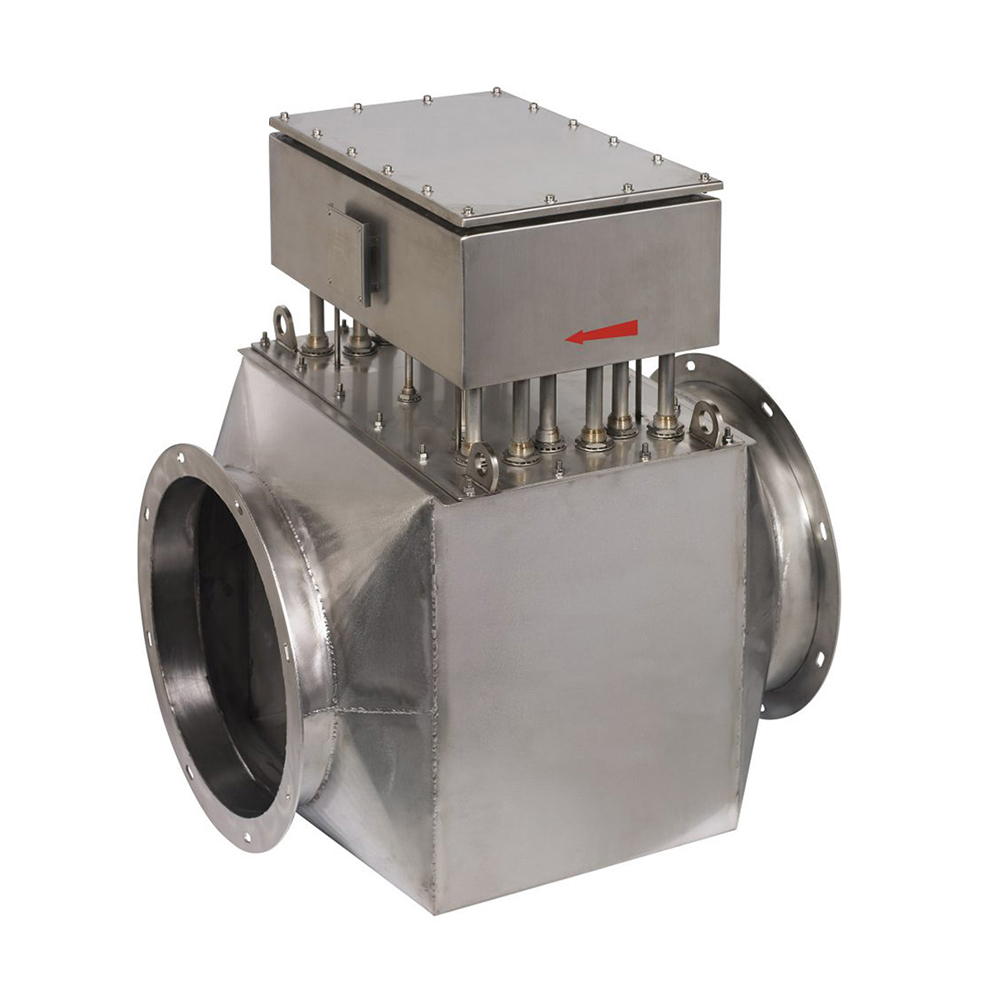
Air duct heaters are installed directly into supply or return ducts. As air flows over the heating elements, thermal energy is transferred to the moving air stream before it enters occupied spaces. This design ensures uniform heat distribution without creating hot or cold spots.
Core operating components
- Electric or hot-water heating elements
- Airflow sensors and safety cutoffs
- Thermostats or building automation controls
Proper airflow is essential; most manufacturers specify a minimum air velocity to prevent overheating and ensure consistent performance.
Electric vs. Hydronic Air Duct Heaters
Air duct heaters are typically classified as electric or hydronic (hot water). Each type offers distinct advantages depending on building size, energy availability, and operational goals.
Comparison of common air duct heater types
| Type |
Energy Source |
Best Use Case |
| Electric |
Electricity |
Small to mid-size systems |
| Hydronic |
Hot water or steam |
Large or centralized systems |
Energy Efficiency and Cost Performance
One of the strongest advantages of air duct heaters is their ability to deliver targeted heat only when and where required. This reduces wasted energy compared to whole-building heating strategies.
In commercial HVAC systems, staged or modulating air duct heaters can reduce peak electrical demand by up to 20%. Over a typical 10-year service life, this efficiency translates into measurable operating cost savings.
Safety Features and Compliance Standards
Modern air duct heaters are designed with multiple safety mechanisms to protect both equipment and occupants. These features are critical, especially in continuous-operation or high-temperature environments.
Common protections include automatic thermal cutouts, airflow switches, and overheat sensors. Compliance with standards such as UL, IEC, or CE ensures safe operation under rated conditions.
Installation Considerations and Best Practices
Correct installation is essential for air duct heater performance. Heaters must be positioned to allow uniform airflow across the heating elements and adequate clearance for maintenance.
- Verify duct dimensions and airflow rates
- Ensure proper electrical or hydronic connections
- Integrate with existing control systems
Common Applications Across Industries
Air duct heaters are widely used wherever consistent air temperature is critical. Their adaptability makes them suitable for diverse sectors, from comfort heating to process control.
- Office buildings and shopping centers
- Manufacturing plants and warehouses
- Hospitals, labs, and cleanrooms
Choosing the Right Air Duct Heater
Selecting the right air duct heater involves matching heating capacity, airflow, and control requirements to the application. Oversized heaters waste energy, while undersized units struggle to maintain comfort.
When properly selected and installed, air duct heaters deliver dependable, efficient heating with long-term operational stability, making them a smart investment for modern HVAC systems.

 English
 русский
 Français
 Español
 عربى
عربى
