Air Duct Heaters Deliver Targeted, Energy-Efficient Heating Directly Within HVAC Systems
Air duct heaters are electric heating elements installed inside supply or return air ducts to provide supplemental or primary heat without relying on a central boiler or furnace. By heating air directly as it passes through the ductwork, they offer rapid response, zonal control, and reduced energy waste—especially in buildings with variable occupancy or intermittent heating needs. According to the U.S. Department of Energy, properly integrated duct heaters can reduce overall heating energy consumption by 15–25% in light-commercial applications by eliminating standby losses from oversized central systems. Their compact design, precise thermostatic control, and compatibility with existing HVAC infrastructure make them a practical solution for both new installations and retrofits.
Types and Operating Principles
There are two primary configurations of air duct heaters:
- Open-Coil Heaters: Feature exposed resistance wire elements mounted on ceramic insulators. Ideal for clean, dry environments like offices or retail spaces due to high heat transfer efficiency and low cost.
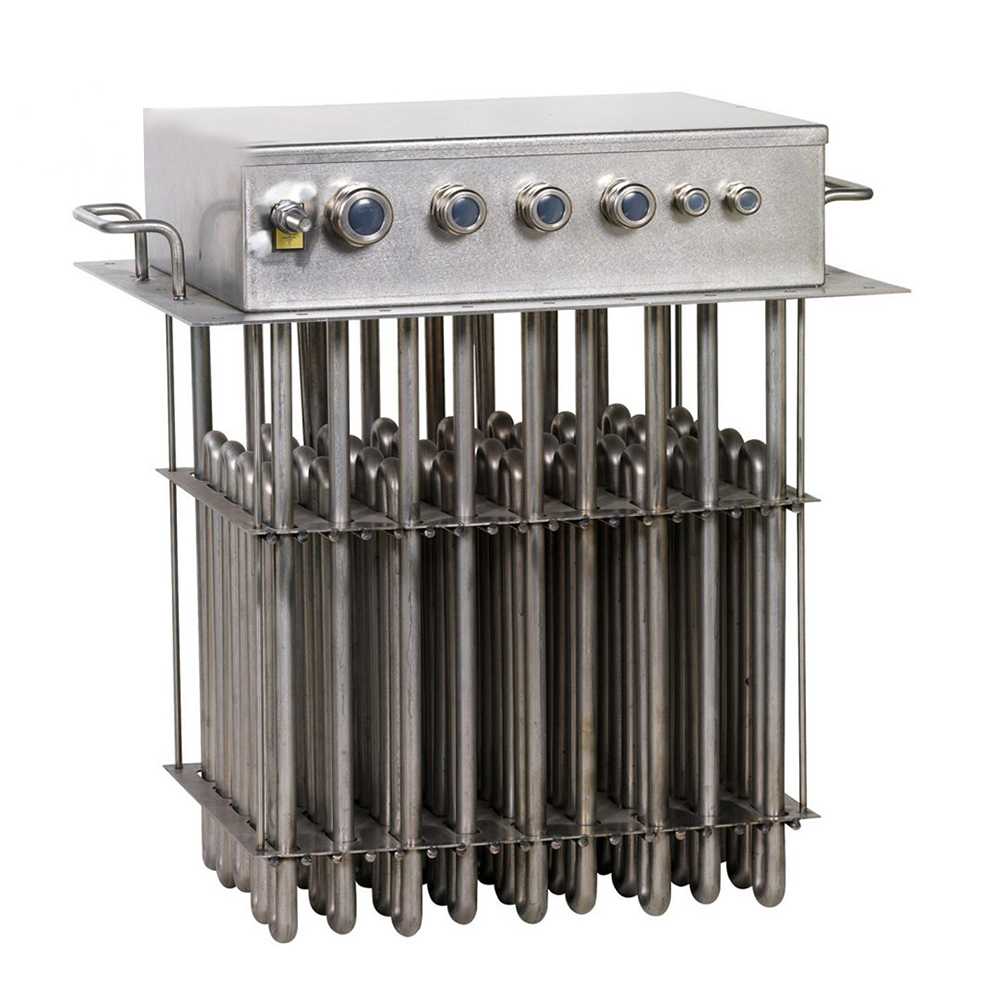
- Finned-Tube Heaters: Enclose heating elements within finned metal tubes, increasing surface area and reducing element temperature. Preferred in industrial settings with dust, moisture, or combustible particulates, as they minimize fire risk and extend service life.
Both types operate on the principle of convective heat transfer: as air flows over the heated surfaces, thermal energy is absorbed and distributed downstream. Modern units include built-in thermal cutouts and airflow sensors to prevent overheating during low-velocity conditions.
Key Applications Across Sectors
Air duct heaters serve diverse needs beyond basic space heating:
- Commercial Buildings: Provide after-hours heating in server rooms, lobbies, or conference areas without running the main boiler.
- Industrial Processes: Maintain minimum air temperatures in paint booths, drying chambers, or cleanrooms to ensure product quality.
- Healthcare Facilities: Support infection control by enabling precise temperature regulation in isolation rooms or labs.
- Residential Retrofits: Add heating capacity to homes with heat pumps in cold climates during defrost cycles or extreme weather.
A 2025 case study at a Midwest distribution center showed a 32% reduction in winter natural gas use after installing 48 kW duct heaters in loading dock HVAC zones.
Sizing and Power Requirements
Typical Air Duct Heater Sizing Based on Airflow and Temperature Rise
| Airflow (CFM) |
ΔT = 20°F (11°C) |
ΔT = 40°F (22°C) |
| 500 |
2.5 kW |
5.0 kW |
| 1,000 |
5.0 kW |
10.0 kW |
| 2,000 |
10.0 kW |
20.0 kW |
Undersizing leads to insufficient heating; oversizing risks short cycling and reduced component lifespan. Professional load calculations using ACCA Manual J or ASHRAE guidelines are essential.
Control Strategies and Integration
Modern air duct heaters integrate seamlessly with building automation systems (BAS). Staged controls allow multiple heating elements to activate incrementally based on demand, improving efficiency. Key integration features include:
- Modbus or BACnet communication for remote monitoring
- Interlock with fan status to prevent dry-firing
- Outdoor air reset logic to modulate output based on ambient conditions
In smart buildings, these heaters can participate in demand-response programs, temporarily reducing load during peak electricity pricing periods.
Installation Best Practices
Proper installation is critical for safety and performance. Key guidelines include:
- Mounting at least 12 inches downstream of filters or dampers to ensure uniform airflow
- Providing adequate electrical service with dedicated breakers per NEC Article 424
- Sealing all access panels to prevent bypass air leakage
- Ensuring minimum clearance (typically 6–12 inches) above and below for maintenance
Improper placement near bends or obstructions can cause uneven heating and localized overheating—reducing efficiency by up to 18%, per ASHRAE field studies.
Maintenance and Longevity
Air duct heaters require minimal maintenance but benefit from periodic inspection. Dust accumulation on open-coil elements acts as insulation, reducing heat transfer and forcing longer run times. Recommended upkeep includes:
- Annual visual inspection of elements and wiring
- Cleaning with low-pressure compressed air or soft brushes (never water)
- Verifying operation of limit switches and airflow sensors
With proper care, industrial-grade units often exceed 15 years of service life—outperforming many combustion-based alternatives in reliability.
The Future: Electrification and Decarbonization
As building codes push toward all-electric designs and net-zero emissions, air duct heaters are gaining strategic importance. Paired with renewable-powered grids or on-site solar, they offer a pathway to eliminate fossil fuel use in heating. Innovations like silicon carbide (SiC) heating elements promise higher efficiency and faster response. By 2030, the global market for electric duct heaters is projected to grow by 7.2% annually, driven by decarbonization mandates in the EU, California, and Canada. For engineers and facility managers, these systems represent more than convenience—they are a cornerstone of sustainable thermal management in the electrified future.

 English
 русский
 Français
 Español
 عربى
عربى
