Optimizing Industrial Heating with Process Immersion Heaters
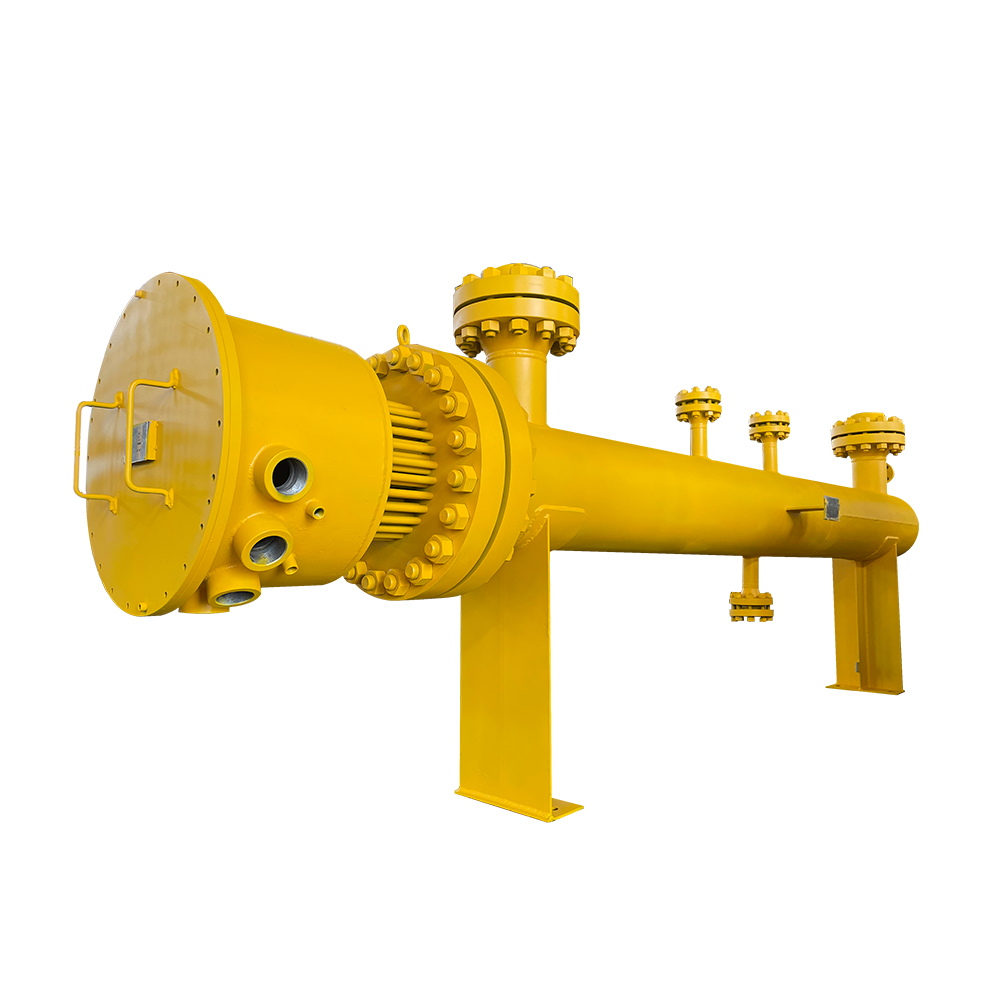
Process immersion heaters deliver thermal energy directly into liquids and gases with up to 98% efficiency, making them superior to indirect heating methods for many industrial applications. By submerging the heating element directly into the medium, these systems eliminate heat transfer losses associated with external jackets or coils, resulting in faster ramp-up times and precise temperature control.
The effectiveness of an immersion heater depends heavily on proper sizing, material selection, and watt density management. Incorrect configuration can lead to premature element failure, scaling buildup, or unsafe operating conditions. Understanding the specific requirements of your process fluid is the first step toward designing a reliable heating solution.
Direct vs. Indirect Heating Efficiency
Unlike steam coils or external jacketed vessels, immersion heaters transfer heat directly from the resistive element to the fluid. This direct contact minimizes thermal resistance. Studies show that immersion heaters can reduce energy consumption by 15-25% compared to indirect systems in continuous flow applications, primarily due to the absence of intermediate heat transfer surfaces that foul over time.
Critical Factor: Watt Density and Element Life
Watt density, measured in watts per square inch (W/in²) of heated surface area, is the most critical parameter in immersion heater design. Exceeding the recommended watt density for a specific fluid causes the element surface temperature to rise excessively, leading to carbonization, scaling, and eventual burnout.
Recommended Watt Density Limits
| Fluid Type |
Max Watt Density (W/in²) |
Reason for Limit |
| Water (Clean) |
40-60 |
High heat capacity, good convection |
| Light Oils |
15-25 |
Risk of carbonization at high temps |
| Heavy Oils/Viscous Fluids |
5-10 |
Poor heat transfer, high coking risk |
| Air/Gases |
10-15 |
Low heat capacity, requires airflow |
| Corrosive Solutions |
10-20 |
Material degradation acceleration |
Maximum recommended watt densities for common industrial fluids
To calculate the required surface area, divide the total heater wattage by the maximum allowable watt density. For example, a 10kW heater used in light oil (max 20 W/in²) requires at least 500 square inches of heated surface area. Undersizing the surface area is the leading cause of premature heater failure in industrial settings.
Material Selection for Sheath and Components
The sheath material protects the internal resistive coil and insulator from the process fluid. Selecting the wrong sheath material can result in corrosion leaks within weeks, while the right choice ensures years of reliable service. Compatibility with the fluid’s chemical composition, temperature, and pH level is essential.
Common Sheath Materials
- Incoloy 800: Ideal for high-temperature applications and corrosive environments like nitrate salts and acidic solutions. It offers excellent oxidation resistance up to 1800°F (982°C).
- Stainless Steel 316: The standard choice for water, mild chemicals, and food-grade applications. It provides good corrosion resistance but is not suitable for chlorides or strong acids.
- Copper: Used primarily in clean water applications due to its superior thermal conductivity. It is not recommended for corrosive or high-temperature fluids.
- Titanium: Essential for seawater, brine, and highly corrosive chemical processes where stainless steel fails rapidly.
Terminal Box and Insulation
The terminal box must be rated for the environmental conditions, such as NEMA 4X for washdown areas or explosion-proof for hazardous locations. Internal insulation materials like magnesium oxide (MgO) are standard, but high-purity compacted MgO is required for high-watt-density applications to prevent hot spots and ensure efficient heat transfer to the sheath.
Configuration Types and Installation Best Practices
Process immersion heaters come in various configurations to suit different tank shapes and flow dynamics. Proper installation orientation and placement are crucial for maximizing heat distribution and preventing localized overheating.
Flange vs. Screw Plug Mounts
Screw plug heaters are cost-effective for smaller tanks and lower wattages (typically under 10kW). They install directly into threaded bungs on the tank wall. Flange-mounted heaters are preferred for higher wattages and larger vessels, providing a more secure seal and easier removal for maintenance. For pressures exceeding 150 psi, flange mounts are mandatory to ensure structural integrity and safety.
Over-the-Side vs. Top-Mounted
- Over-the-Side: Hooks over the tank rim, ideal for temporary heating or retrofitting existing tanks without drilling. Limited to lower temperatures and non-hazardous fluids.
- Top-Mounted: Installed through the tank ceiling, keeping the terminal box dry and away from splashes. Preferred for sanitary applications and deep tanks.
- Side-Mounted: Installed horizontally through the tank wall. Effective for promoting natural convection currents in viscous fluids.
Flow Orientation and Baffles
In flow-through applications, always orient the heater so that the fluid flows parallel to the elements. This ensures consistent heat absorption and prevents stagnant zones. Installing baffles around the heater bundle can increase turbulence, improving heat transfer coefficients by up to 30% in low-flow scenarios.
Safety Controls and Maintenance Protocols
Integrating robust safety controls is non-negotiable for process immersion heaters, particularly when heating flammable or viscous materials. Lack of proper protection can lead to fire hazards, equipment damage, and production downtime.
Essential Safety Devices
- Thermostats: Primary temperature control to maintain setpoint.
- High-Limit Controllers: Independent backup that cuts power if temperature exceeds a safe threshold, preventing runaway heating.
- Flow Switches: Critical for circulation systems; they prevent the heater from energizing if fluid flow stops, avoiding immediate element burnout.
- Pressure Relief Valves: Required in closed-loop systems to prevent over-pressurization due to thermal expansion.
Routine Maintenance Checklist
Regular maintenance extends heater life and maintains efficiency. Schedule inspections every 6-12 months depending on usage intensity.
Torque Check
| Maintenance Task |
Frequency |
Purpose |
| Visual Inspection |
Monthly |
Check for leaks, corrosion, or physical damage |
| Scale Removal |
Quarterly |
Clean elements to restore heat transfer efficiency |
| Annually |
Ensure flange bolts and terminal connections are tight |
| Insulation Resistance Test |
Annually |
Detect moisture ingress or insulation breakdown |
Recommended maintenance schedule for process immersion heaters
Scaling is the enemy of immersion heaters. Even a thin layer of mineral deposit acts as an insulator, causing the element temperature to spike despite normal fluid temperatures. Regular descaling using appropriate chemical cleaners or mechanical brushing can extend element life by 50% or more. Always de-energize and cool the heater before performing any maintenance tasks.

 English
 русский
 Français
 Español
 عربى
عربى
